
 Save
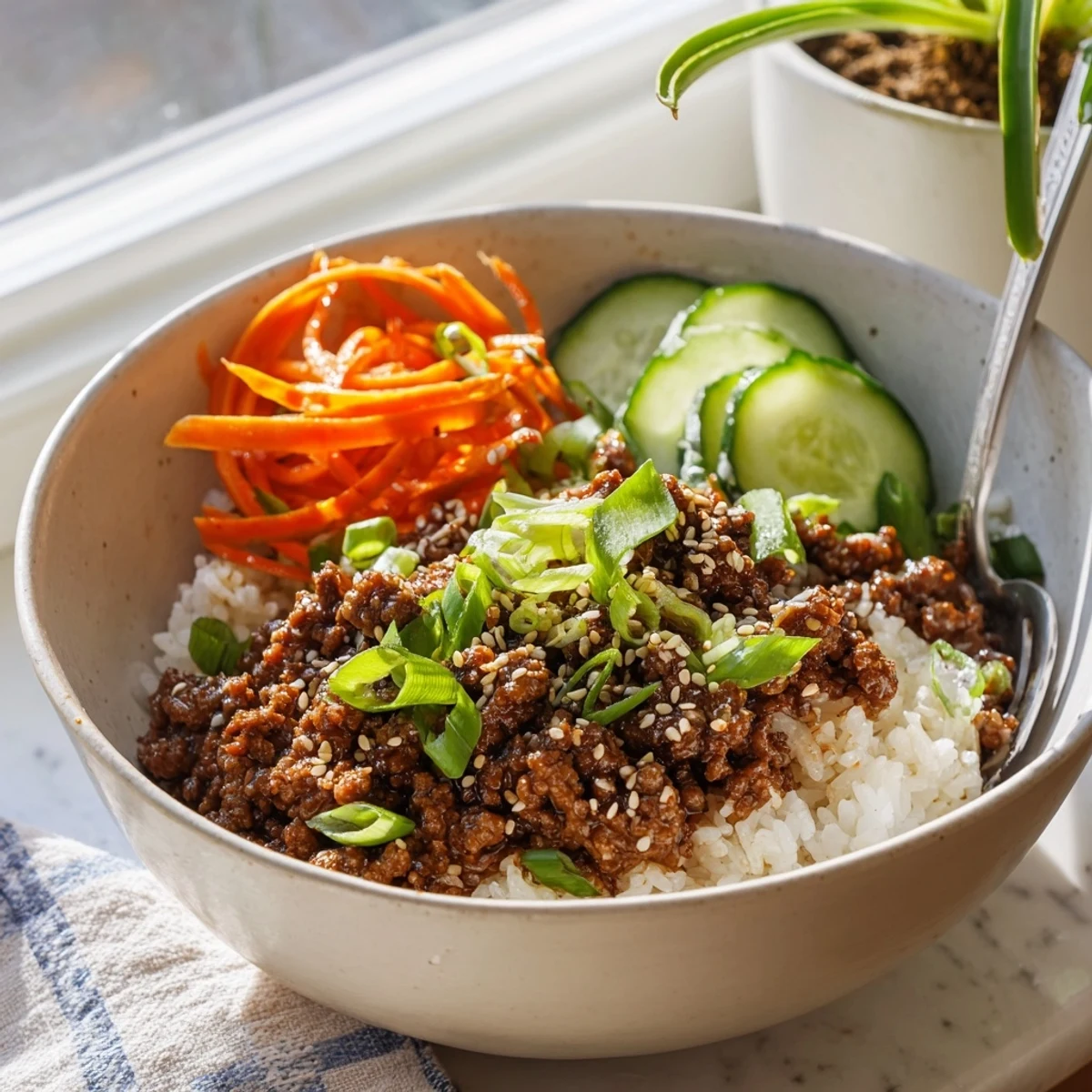
Save These Korean beef bowls deliver restaurant-quality flavors in under 30 minutes. Ground beef gets coated in a sweet-savory sauce made with soy sauce, brown sugar, garlic, ginger, and gochujang paste. Serve over fluffy jasmine rice with crisp julienned carrots, cool cucumber slices, and scallions for a complete meal that balances textures and temperatures perfectly.
The first time I made these Korean beef bowls, my tiny apartment smelled so incredible that my neighbor actually knocked on my door to ask what I was cooking. I've been hooked on this quick weeknight dinner ever since, especially when I need something that feels special but comes together in under 30 minutes.
Last Tuesday, I came home exhausted and threw these bowls together in 20 minutes flat. My partner took one bite and asked if we could have this every week, which is basically the highest compliment I can imagine for a Tuesday night dinner.
Ingredients
- 500 g (1 lb) lean ground beef: Ground beef cooks quickly and absorbs the sauce beautifully, but feel free to swap in ground turkey or chicken if you prefer
- 60 ml (1/4 cup) low-sodium soy sauce: This forms the salty base of our sauce—use tamari if you need it gluten-free
- 2 tbsp light brown sugar: Balances the salty soy sauce and creates that glossy, caramelized finish
- 1 tbsp sesame oil: Don't skip this—it's what gives the dish its signature nutty aroma
- 4 garlic cloves, minced: Fresh garlic is non-negotiable here for that authentic Korean flavor
- 1 tbsp freshly grated ginger: Peel it with a spoon and grate it fresh for the best results
- 1 tbsp gochujang: This Korean chili paste adds depth and a gentle heat—red pepper flakes work in a pinch
- 2 tsp rice vinegar: Adds a bright acidity that cuts through the rich beef
- 300 g (1 1/2 cups) jasmine rice: Short-grain rice works too—just rinse it well until the water runs clear
- 2 medium carrots, julienned: Use a vegetable peeler to create quick, thin ribbons
- 1 small cucumber, thinly sliced: Provides a refreshing crunch against the warm beef
- 4 scallions, thinly sliced: Both white and green parts add flavor and color
- 2 tbsp toasted sesame seeds: Toast them in a dry pan for 2 minutes for extra nuttiness
Instructions
- Get your rice going first:
- Rinse the rice under cold water until it runs clear, then combine with 480 ml water in a saucepan. Bring it to a boil, reduce heat to low, cover tightly, and let it simmer gently for 12–15 minutes until all the water is absorbed. Let it rest off the heat for 5 minutes before fluffing with a fork.
- Whisk together the magic sauce:
- In a small bowl, combine the soy sauce, brown sugar, sesame oil, minced garlic, grated ginger, gochujang, and rice vinegar. Whisk until the sugar has completely dissolved and the mixture looks smooth and glossy.
- Brown the beef:
- Heat a large skillet over medium-high heat until it's hot. Add the ground beef and use a spatula to break it up into small crumbles as it cooks. Let it brown for about 5 minutes, then drain any excess fat if you'd like a lighter dish.
- Add the sauce:
- Pour the sauce over the browned beef and stir everything together. Let it cook for another 2–3 minutes, stirring constantly, until the beef is evenly coated and the sauce has thickened enough to cling to the meat.
- Assemble your bowls:
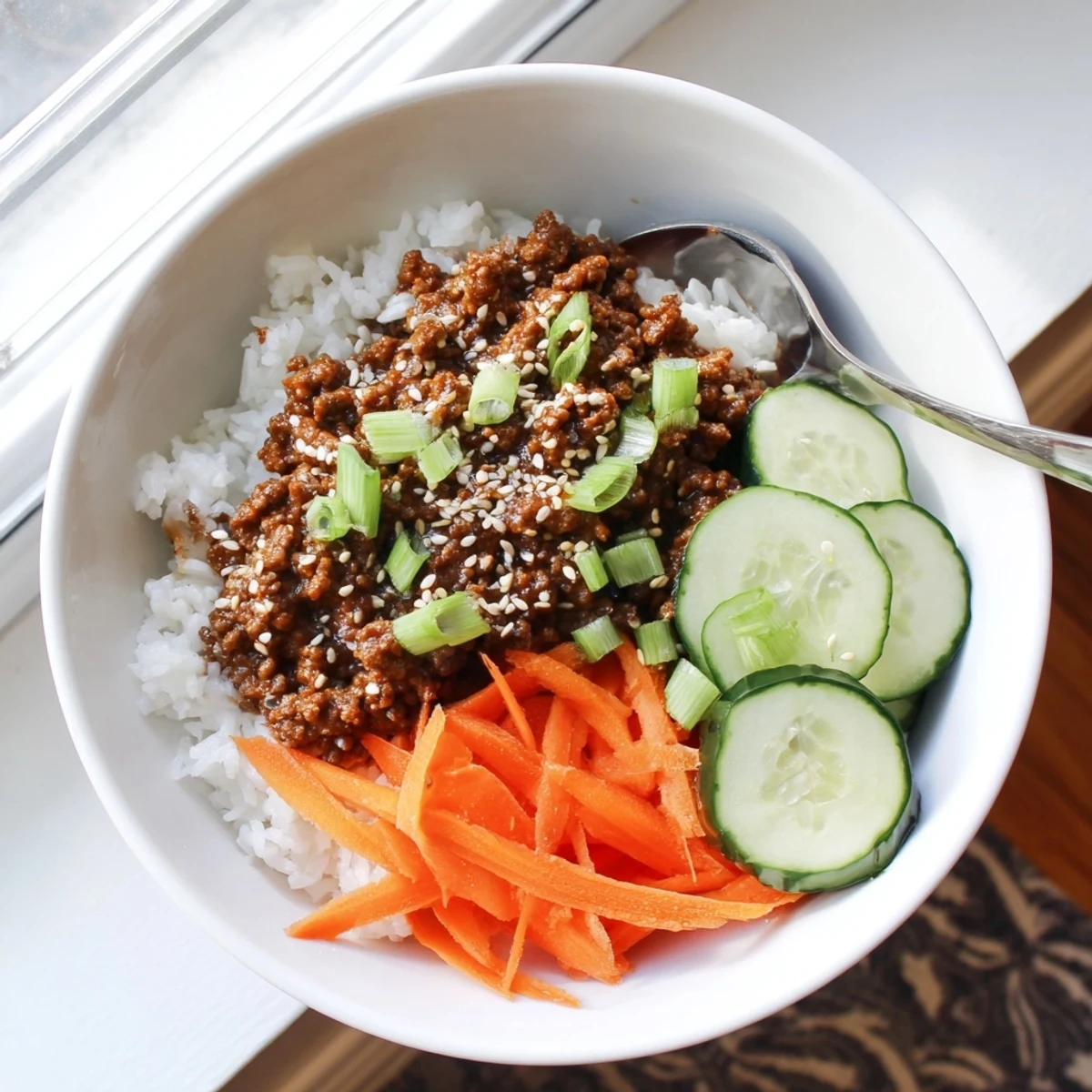
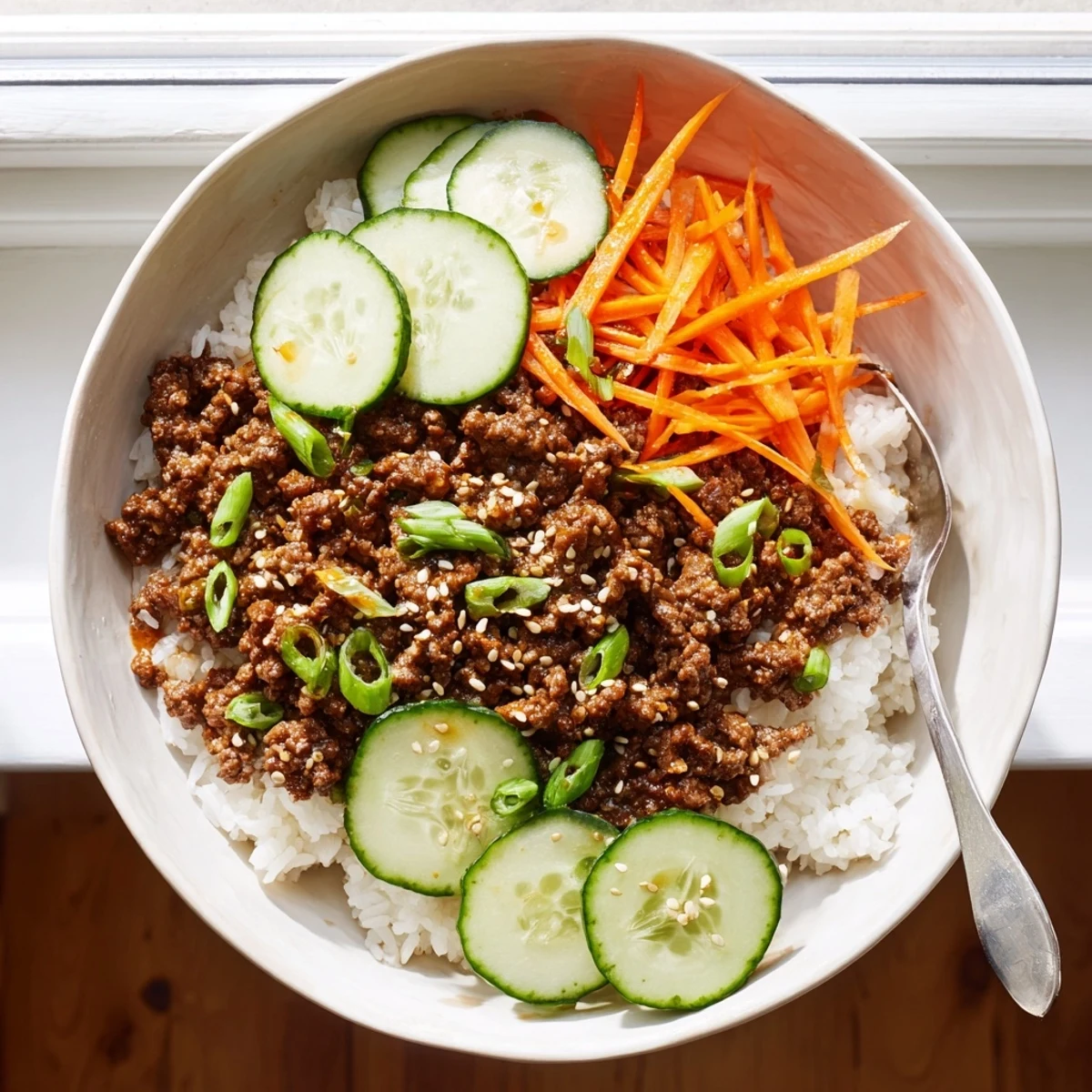
- Divide the fluffy rice among four bowls. Top each portion generously with the saucy beef, then arrange the carrots, cucumber, scallions, and sesame seeds on top. Add kimchi or cilantro if you're feeling fancy.
 Save
Save I made these for a friend who claimed she hated spicy food, and she went back for seconds. The gochujang adds flavor more than overwhelming heat, so don't be afraid to use it even if you're sensitive to spice.
Make It Your Own
Sometimes I'll add shredded cabbage or spinach if that's what I have on hand. The beauty of these bowls is that they're incredibly forgiving—use whatever fresh vegetables look good at the market.
Meal Prep Magic
The beef actually tastes even better the next day once the flavors have had time to mingle. I often double the recipe and pack the components separately for easy lunches throughout the week—just reheat the beef and warm the rice before assembling.
Perfect Pairings
A chilled glass of Riesling or dry sake cuts through the richness beautifully. If you're not drinking alcohol, a cold green tea with a squeeze of lemon works just as well to refresh your palate between bites.
- Set out extra gochujang at the table for spice lovers
- Fried eggs on top turn this into breakfast
- Leftovers freeze beautifully for up to a month
 Save
Save I hope these Korean beef bowls become a regular in your weeknight rotation like they have in mine. There's something deeply satisfying about a home-cooked meal that tastes even better than takeout.
Recipe FAQs
- → Can I make these beef bowls spicy?
-
Adjust the heat by adding more gochujang or red pepper flakes. Start with 1 teaspoon and increase to taste. You can also serve with extra kimchi on the side for additional spice.
- → What's the best rice for Korean beef bowls?
-
Short-grain white rice or jasmine rice works best. Short-grain rice has a sticky texture that holds everything together, while jasmine adds a fragrant aroma. Brown rice is also an option if you prefer whole grains.
- → Can I prepare the sauce in advance?
-
Yes, whisk the sauce ingredients together and store in an airtight container in the refrigerator for up to 1 week. The flavors actually meld together nicely over time, making it even more flavorful.
- → How do I store leftovers?
-
Keep rice, beef, and toppings in separate containers. The beef stays fresh for 3-4 days in the refrigerator. Reheat gently with a splash of water to prevent drying. Fresh toppings are best added just before serving.
- → What protein alternatives work well?
-
Ground turkey, chicken, or even crumbled tofu absorb the Korean sauce beautifully. Cooking times may vary slightly—turkey and chicken cook in about the same time, while tofu needs just 3-4 minutes to coat and heat through.