
 Save
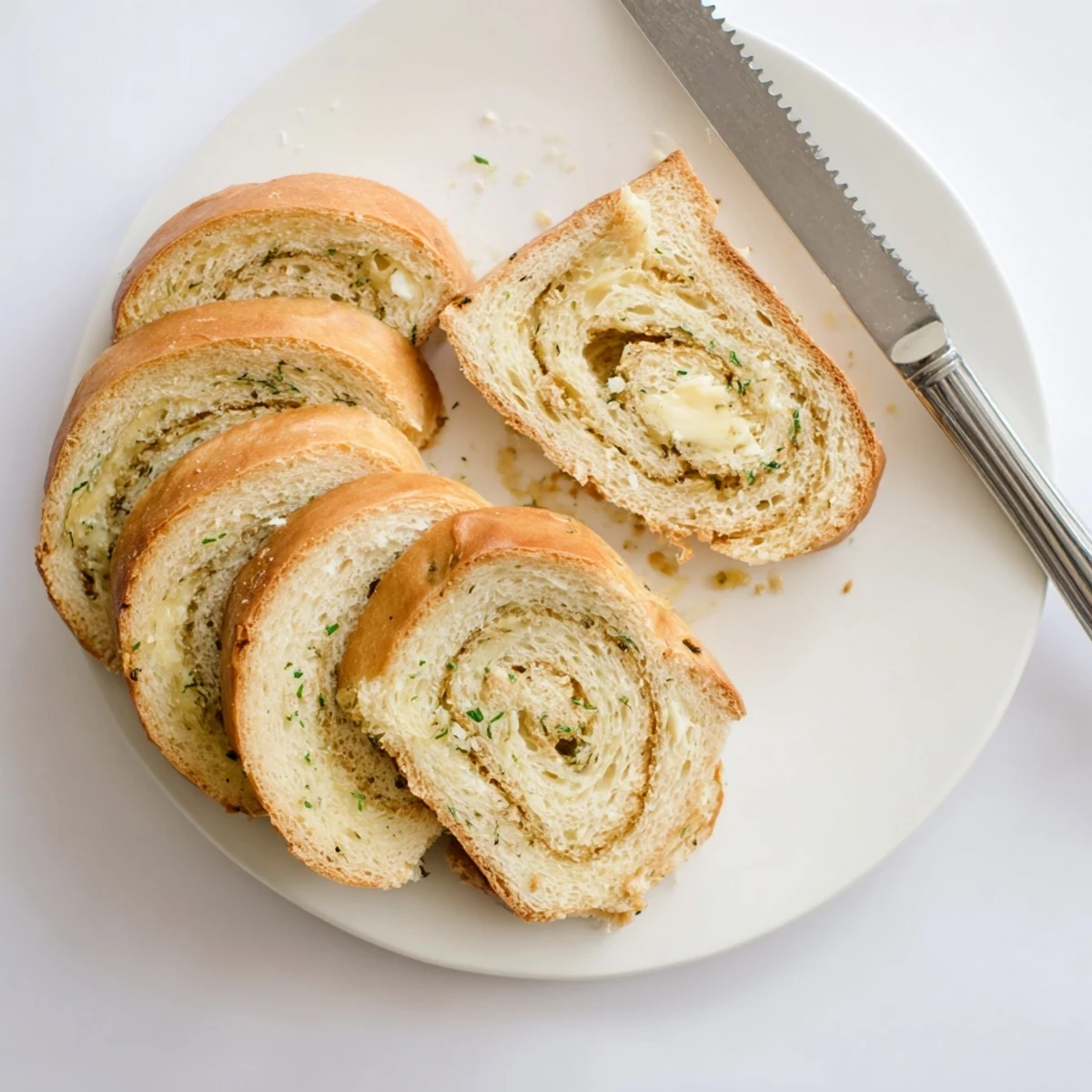
Save Create a bakery-style loaf featuring a tender crumb and aromatic herb butter swirl. This versatile bread combines pantry staples with fresh parsley, rosemary, and chives for irresistible flavor. The dough comes together with just flour, yeast, and olive oil, while the garlic-herb infusion creates those classic restaurant-style tastes. After two rises and a quick bake, you'll have golden, fragrant slices perfect alongside soups, salads, or pasta. Vegan adaptable and freezer friendly for make-ahead meals.
The first time I made garlic bread from scratch, my kitchen smelled like an Italian bakery for days. My roommate kept wandering in, asking if I was hiding a professional chef in our tiny apartment. That warm, herbaceous aroma drifting through the house is half the magic of this recipe.
I once brought this loaf to a dinner party, and it disappeared before anyone even touched the main course. The host actually asked for the recipe before dessert was served, and now it is her go to for every gathering.
Ingredients
- 3 cups all purpose flour: The foundation of your dough, providing structure and that perfect tender crumb
- Active dry yeast: The magic ingredient that makes your bread rise and creates those beautiful air pockets
- 1 tsp sugar: Feeds the yeast and helps it activate faster, giving your dough a better rise
- 1 tsp salt: Essential for flavor and helps control yeast activity so your bread does not overproof
- 1 cup warm water: Should feel like bath temperature, around 110 degrees Fahrenheit
- 2 tbsp olive oil: Adds richness to the dough and keeps it tender
- 4 tbsp unsalted butter: Softened to room temperature so it spreads evenly into the dough
- 4 cloves garlic: Freshly minced releases the most oils and flavor compared to pre minced versions
- 2 tbsp fresh parsley: Bright and grassy, balances the richness of the butter
- 1 tbsp fresh rosemary: Piney and aromatic, adds depth that dried herbs cannot match
- 1 tbsp fresh chives: Mild onion flavor that complements garlic without overpowering it
- ½ tsp black pepper: Adds a subtle warmth that rounds out the herbal flavors
- ¼ tsp salt: Just enough to enhance all the other flavors without making the butter mixture salty
Instructions
- Wake up the yeast:
- Combine sugar, yeast, and warm water in a large bowl, watching for that beautiful foamy layer that tells you the yeast is alive and ready to work
- Build your dough:
- Add flour, salt, and olive oil to the yeast mixture, stirring until you have a shaggy, sticky dough that looks a bit messy
- Knead with patience:
- Turn onto a floured surface and work the dough for 8 to 10 minutes until it transforms from shaggy to smooth and springs back when you poke it
- Let it rise:
- Place your dough in an oiled bowl, cover it warmly, and walk away for an hour while it does its magical doubling act
- Make the garlic butter:
- While dough rises, mix softened butter with minced garlic, parsley, rosemary, chives, pepper, and salt until everything is beautifully combined
- Roll it out:
- Punch down the risen dough gently, then roll it into a rectangle roughly 9 by 13 inches, aiming for even thickness throughout
- Spread the love:
- Coat the entire surface of your dough rectangle with that garlic herb butter, leaving no bare spots
- Roll and tuck:
- Starting from a short end, roll the dough tightly into a log and place it seam side down in your greased loaf pan
- Second rise:
- Cover and let the loaf rest for 30 minutes while you preheat your oven to 350 degrees Fahrenheit
- Bake to golden:
- Slide the pan into the oven for 30 to 35 minutes until the top is gorgeously golden and the loaf sounds hollow when tapped
- Cool patiently:
- Let the bread rest in the pan for 10 minutes before moving it to a wire rack, slicing while still warm for maximum butter absorption
 Save
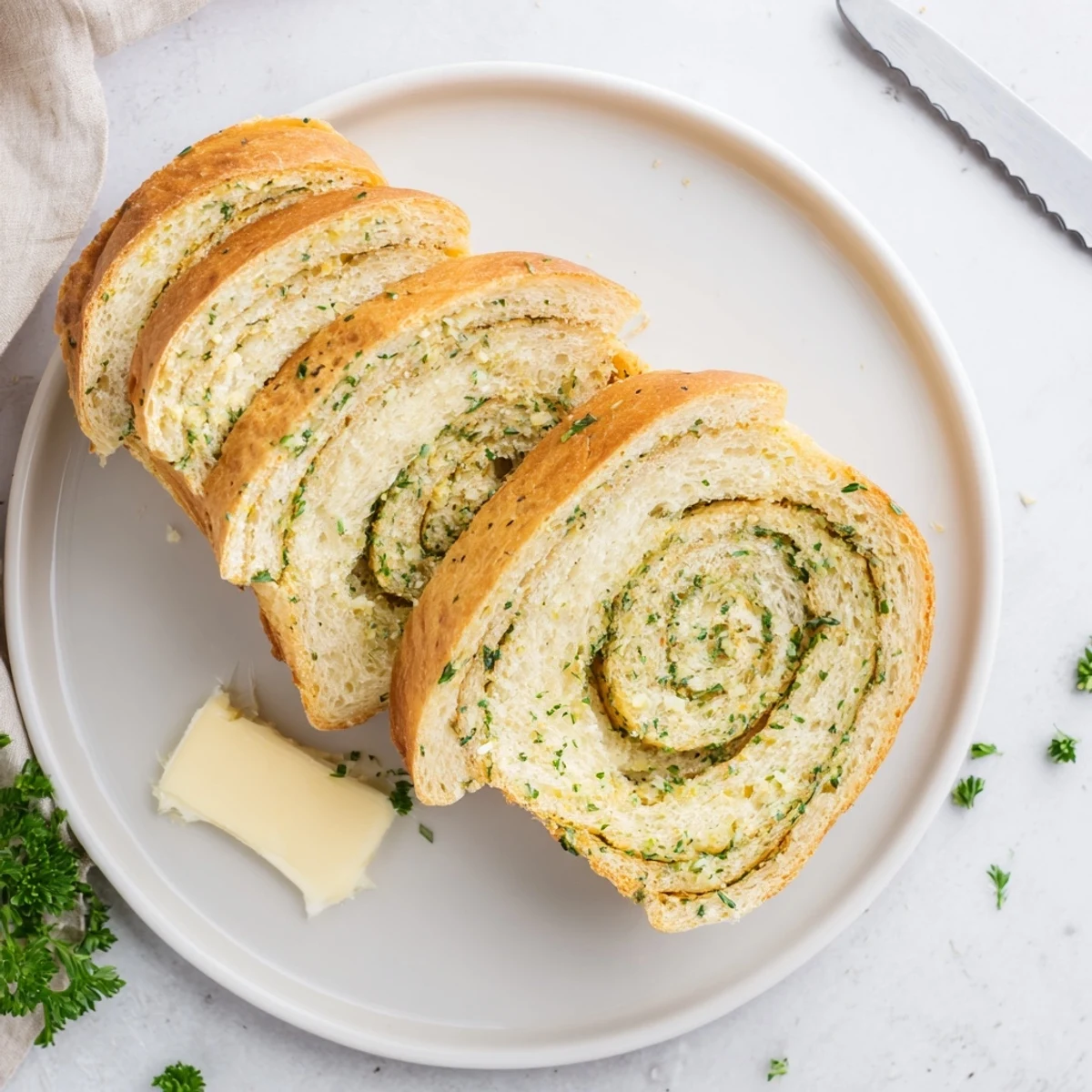
Save This bread has become my automatic contribution to potlucks because people literally hover around the kitchen waiting for it to come out of the oven.
Making It Ahead
You can prepare the dough through the first rise, then refrigerate it overnight for a slow ferment that develops even more flavor. Just let it come to room temperature before rolling and adding the garlic butter.
Herb Variations
While the classic parsley and rosemary combination is divine, try swapping in fresh thyme or oregano for a different flavor profile. In summer, fresh basil creates an incredibly fragrant version that pairs perfectly with grilled dishes.
Serving Suggestions
This bread transforms simple soups into restaurant quality meals and makes pasta night feel like a special occasion. I have also been known to eat slices plain, standing at the counter, because sometimes that is just what you need.
- Slice it thicker for dipping in olive oil and balsamic vinegar
- Use leftovers the next day for the most incredible garlic bread grilled cheese
- Wrap cooled loaves tightly and freeze for up to one month
 Save
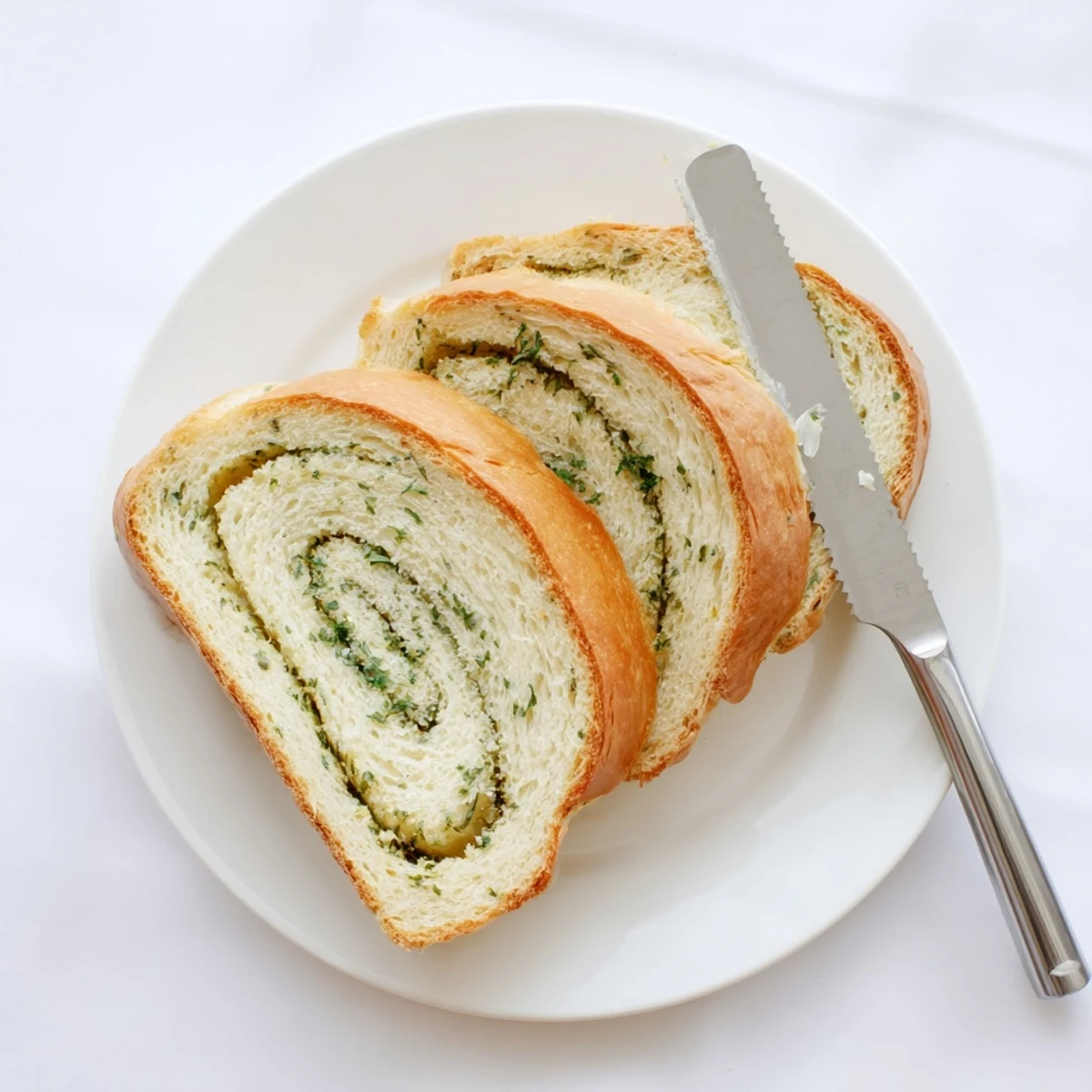
Save There is something deeply satisfying about pulling apart those warm, herb flecked layers and watching everyone reach for seconds before the main course even hits the table.
Recipe FAQs
- → Can I use dried herbs instead of fresh?
-
Yes, substitute the fresh herbs with 1½ teaspoons of dried mixed Italian herbs. Reduce the quantity since dried herbs are more concentrated in flavor.
- → How do I know when the dough has risen enough?
-
The dough is ready when it has doubled in size. You can test by gently pressing two fingers into the dough—if the indentation remains, it's properly proofed.
- → Can I make this ahead of time?
-
Absolutely. Bake the loaf completely, cool thoroughly, wrap tightly, and store at room temperature for up to 2 days or freeze for up to 3 months. Reheat in a 350°F oven for 10 minutes.
- → What's the best way to store leftovers?
-
Wrap cooled slices or the entire loaf in plastic or place in an airtight bag. Keep at room temperature for 2-3 days. For longer storage, freeze individually wrapped slices.
- → Can I make this dairy-free?
-
Yes, simply replace the unsalted butter with your favorite plant-based butter alternative. The texture and flavor will remain delicious and satisfying.
- → Why did my dough not rise?
-
This usually happens if the water was too hot (killing the yeast) or too cold (slowing activation). Ensure your warm water is around 110°F—comfortably warm to touch but not hot.