
 Save
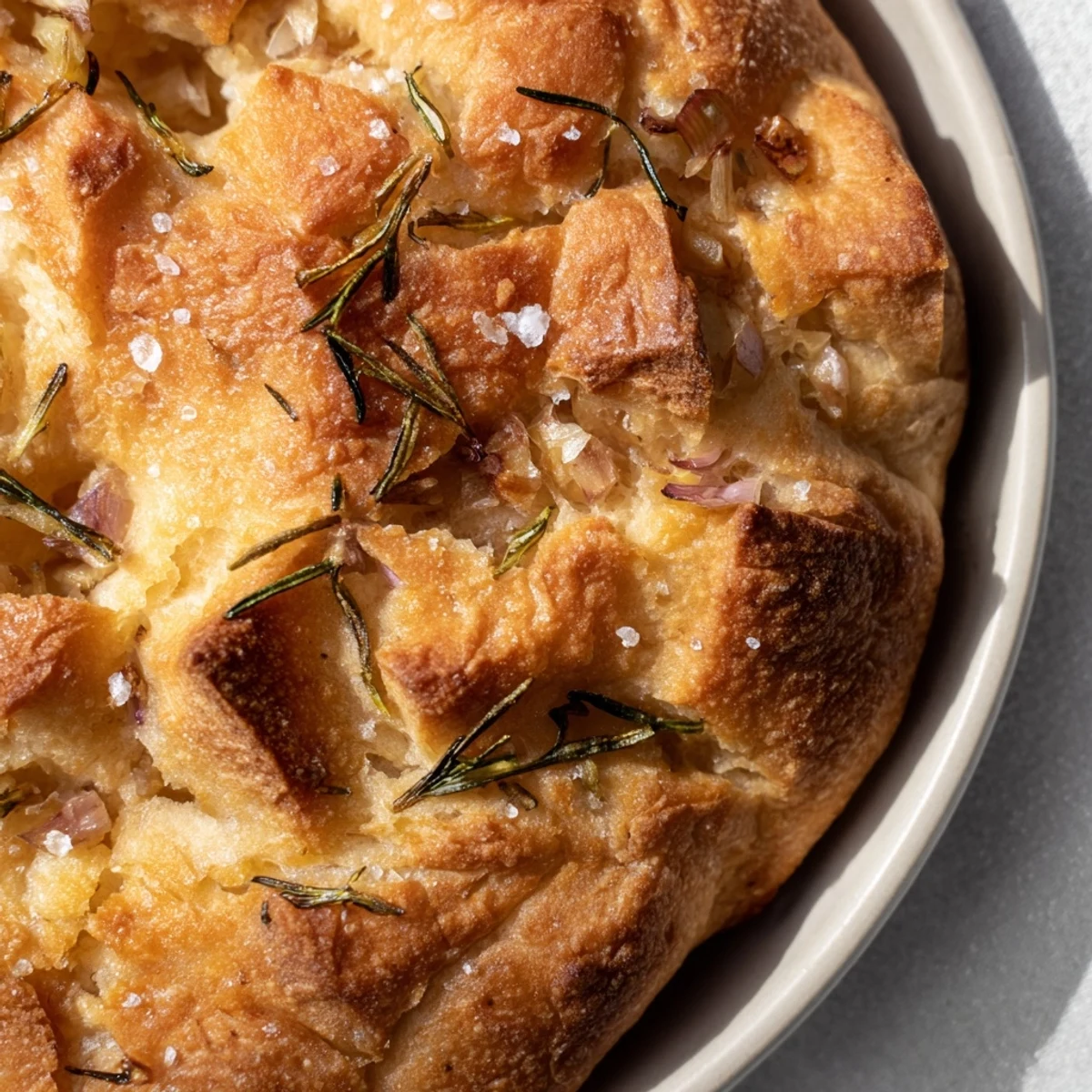
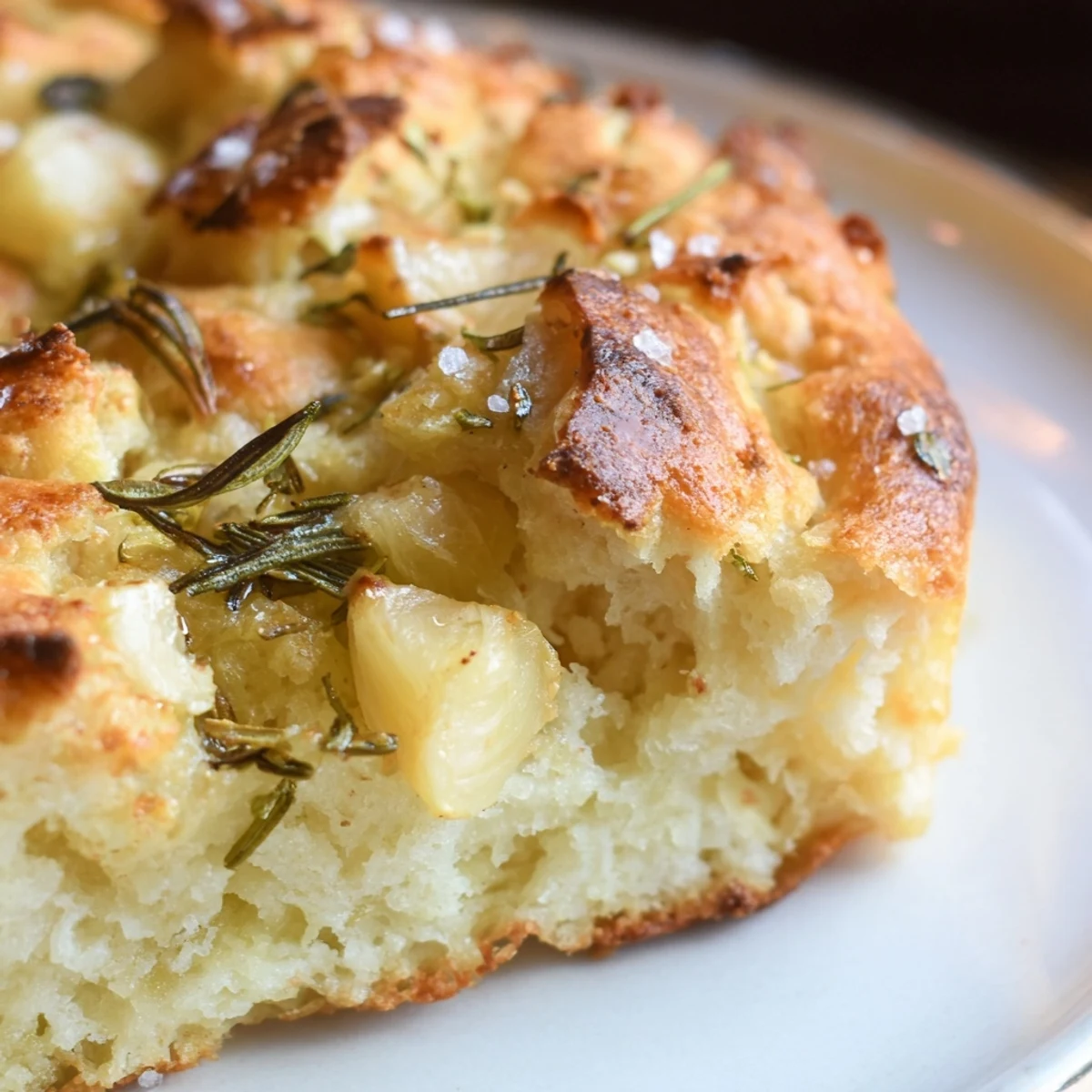
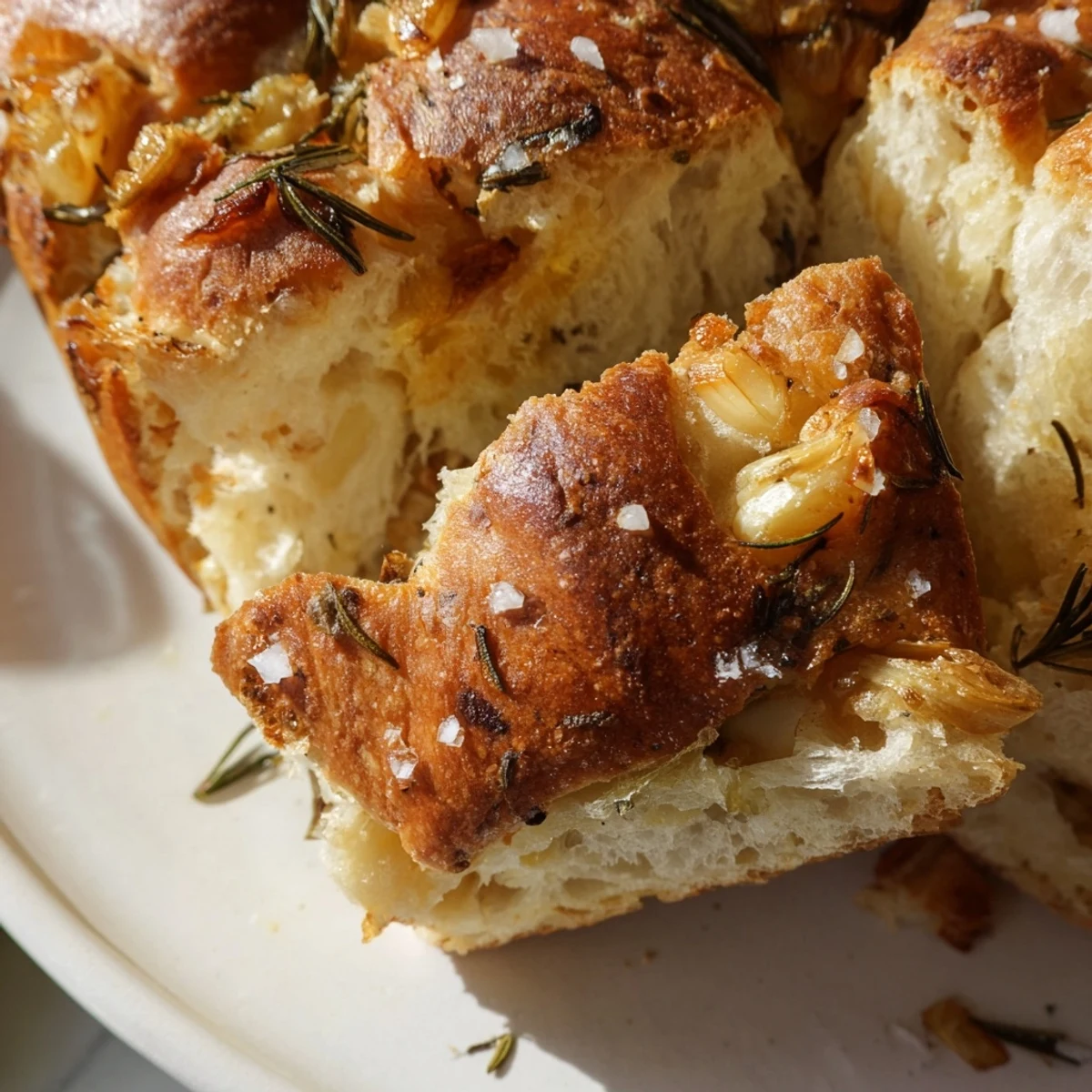
Save Creating this rustic skillet bread brings the warmth of European baking to your kitchen. The dough comes together with basic pantry ingredients—bread flour, yeast, water, and salt—then transforms through the magic of fermentation. Fresh rosemary and minced garlic weave throughout the crumb, while flaky sea salt crowns the golden crust.
The cast iron skillet creates those coveted crispy edges while maintaining a tender interior. After rising, the bakes at high heat for 30-35 minutes, developing deep flavor and beautiful color. Let it cool briefly before slicing into wedges perfect for dipping in olive oil or accompanying soups and stews.
The first time I made this skillet bread, my entire apartment smelled like an Italian bakery. My roommate actually came home early just to investigate what was happening in the oven. We tore into it while it was still too hot to touch properly, burning our fingers but not caring even a little bit.
Last winter I brought this to a friends dinner party, and the host literally stopped serving the main course because people kept hovering around the bread basket. She texted me the next day asking for the recipe, saying her husband had already requested it for their Sunday breakfast tradition.
Ingredients
- Bread flour: Higher protein content than all purpose which gives you that beautiful chewy crumb structure
- Active dry yeast: Make sure your water is warm like bath temperature, not hot enough to kill the yeast
- Rosemary: Fresh is absolutely worth it here, dried just doesnt have the same aromatic punch when baked
- Garlic: Roast it first if you have time, but even raw it mellow beautifully in the oven
- Flaky sea salt: This creates those gorgeous salty bursts on every bite, dont skip it
Instructions
- Wake up the yeast:
- Stir the yeast into warm water and watch for bubbles, this tells you its alive and ready to work
- Build the dough:
- Mix flour and salt into the yeast water until shaggy, then knead until it transforms into something smooth and slightly tacky
- Add the magic:
- Fold in the olive oil, chopped rosemary, and garlic until evenly distributed throughout the dough
- Let it rise:
- Cover the bowl and walk away for an hour, coming back to find it has doubled into a puffy, fragrant cloud
- Shape into the skillet:
- Press the dough gently into your well oiled cast iron skillet, trying not to deflate all those beautiful air bubbles
- Second rise:
- Let the dough rest and puff up again while your oven heats to 425°F
- Finish and bake:
- Brush with olive oil, scatter flaky salt across the top, and bake until deeply golden all over
 Save
Save My grandmother would have loved this recipe. She was the kind of woman who believed bread was the most important part of any meal, and she would have approved of how this one brings people together around the table, reaching for that next piece while its still warm from the oven.
Mastering the Crust
A cast iron skillet really does make a difference here, creating that incredible bottom crust. If you dont have one, any oven safe skillet will work, but you might miss out on those extra crispy edges.
Herb Variations
Sage works beautifully in autumn, and thyme gives it a more subtle, earthy flavor profile. Sometimes I throw in some chopped sun dried tomatoes if I want something more substantial.
Serving Ideas
This bread disappears fastest when served alongside a hearty soup or stew. The way it soaks up broth is absolutely dangerous. I also love tearing pieces off to dip in good olive oil with cracked pepper.
- Try rubbing a raw garlic clove over the hot bread right after baking for an extra kick
- Leftovers make excellent savory French toast the next morning
- Wrap cooled bread tightly in foil, never plastic, to keep the crust crisp
 Save
Save There is something profoundly satisfying about making your own bread, and this skillet version is so forgiving it might just become your new favorite weekend ritual.
Recipe FAQs
- → What makes skillet bread different from oven-baked bread?
-
The cast iron skillet creates superior heat conduction, producing exceptionally crisp edges and a golden bottom crust while keeping the interior tender and chewy.
- → Can I use dried rosemary instead of fresh?
-
Fresh rosemary provides optimal flavor, but you can substitute 1 teaspoon dried rosemary. Rehydrate it in warm water for 10 minutes before adding to the dough.
- → How do I know when the bread is done baking?
-
The bread should sound hollow when tapped on the bottom, have a deep golden-brown crust, and reach an internal temperature of 200°F (93°C) when measured with a kitchen thermometer.
- → Can I prepare the dough ahead of time?
-
Yes, after the first rise, refrigerate the dough for up to 24 hours. Bring it to room temperature for 30 minutes before shaping and placing in the skillet for the second rise.
- → What can I serve with this bread?
-
This rustic bread pairs beautifully with soups, stews, or pasta dishes. Serve warm with extra virgin olive oil for dipping, or use it to soak up sauces from hearty main courses.