
 Save
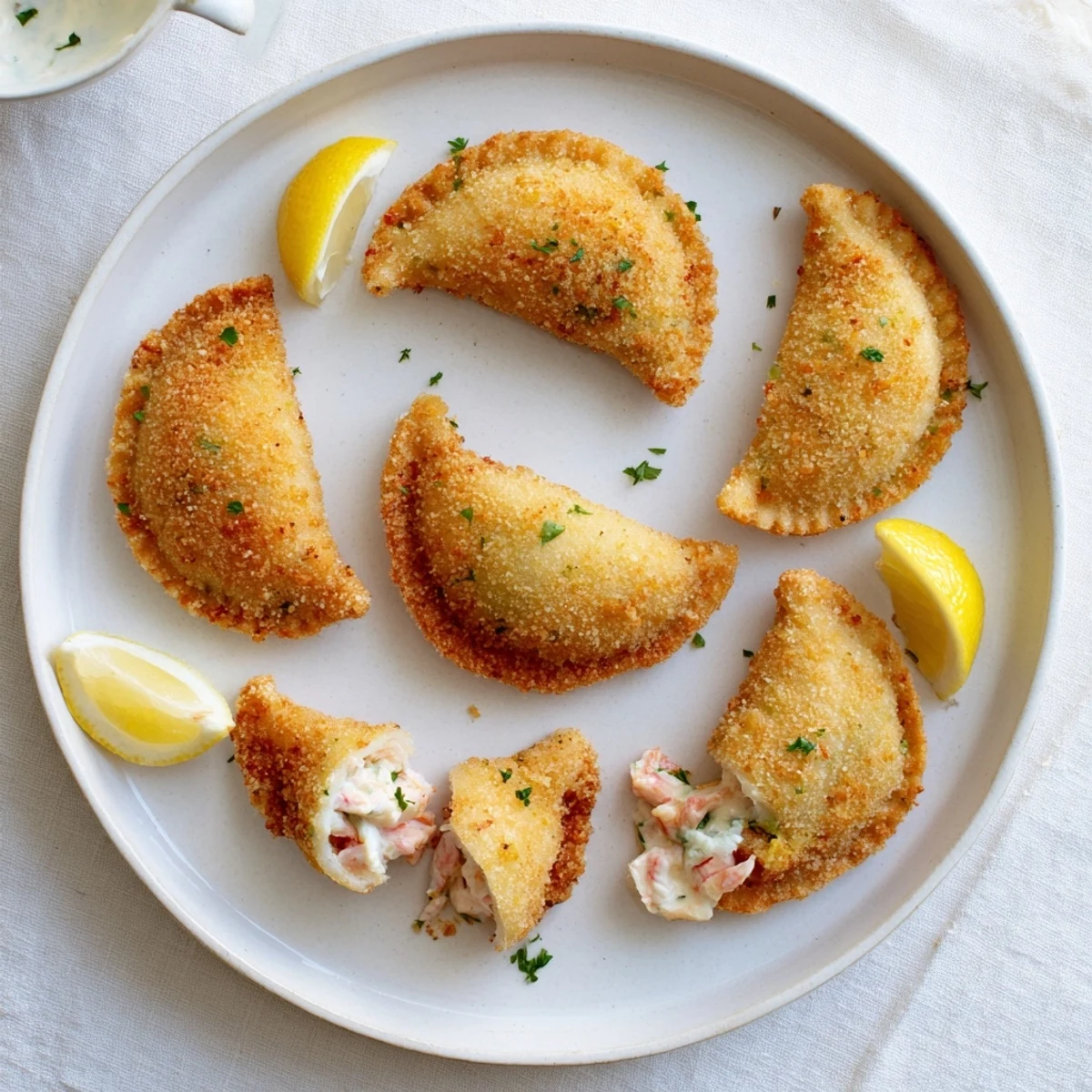
Save These classic Portuguese turnovers feature a delicate pastry shell enclosing a rich, creamy shrimp filling. The dough is cooked on the stovetop until smooth, then rolled thin and filled with a savory béchamel-based shrimp mixture enhanced with lemon, garlic, and fresh parsley. After breading and frying until golden, they develop a satisfying crunch that gives way to the luscious, seafood-packed interior. Serve them warm as appetizers, party snacks, or part of a traditional Portuguese spread.
The smell of frying dough always transports me back to my grandmother's tiny kitchen in Lisbon, where she'd make these shrimp rissois for family gatherings on rainy Sunday afternoons. I remember sitting on a stool watching her hands move with practiced ease, folding each little half-moon pocket with such care. Now whenever I make them, my apartment fills with that same golden buttery aroma, and suddenly I'm eight years old again, waiting for the first crispy batch to cool.
Last summer I made a double batch for my birthday party, and people literally hovered over the frying pan. My friend Carlos took one bite and his eyes went wide — he said they tasted exactly like the ones his Portuguese grandmother used to make, which might be the best compliment I've ever received.
Ingredients
- All-purpose flour: The foundation of both dough and filling, creating that perfect tender wrapper and thickened béchamel
- Unsalted butter: Adds richness to both components and helps achieve that golden color we're after
- Milk and water: Combined they create the base for a silky smooth dough that's easy to work with
- Small raw shrimp: Sweet and delicate, these get chopped finely so every bite is evenly distributed
- Onion and garlic: The aromatic backbone that gives the filling its classic Portuguese depth
- Lemon juice: Brightens the creamy filling and cuts through the richness beautifully
- Fresh parsley: Adds little green flecks and a fresh herbal finish
- Eggs and breadcrumbs: The essential coating that creates that irresistible golden crust
Instructions
- Cooking the shrimp:
- Simmer your peeled shrimp in salted water just until they turn pink, about 2-3 minutes. Don't overcook them or they'll become rubbery — you want them tender and sweet.
- Making the dough:
- Bring milk, water, butter, and salt to a boil, then dump in all the flour at once. Stir vigorously until the dough pulls away from the pan sides and forms a smooth ball. Let it cool slightly before kneading until smooth and elastic.
- Building the filling:
- Sauté onion in butter until translucent, add garlic for just a minute, then stir in flour to cook away its raw taste. Whisk in milk gradually to create a thick béchamel, then fold in chopped shrimp, lemon juice, and parsley. Season generously and let cool completely — warm filling will make the dough soggy.
- Rolling and shaping:
- Roll your dough to about 1/8 inch thickness on a floured surface and cut 3-inch circles. Place a teaspoon of cooled filling in the center, fold into a half-moon, and press edges firmly with your fingers or a fork to seal.
- Breading:
- Dip each rissole in beaten egg, letting excess drip off, then press firmly into breadcrumbs. Set them on a baking sheet while you heat your oil.
- Frying to perfection:
- Heat oil to 350°F and fry rissois for 2-3 minutes per side until deep golden brown. Drain on paper towels and let them cool for just a few minutes before serving.
 Save
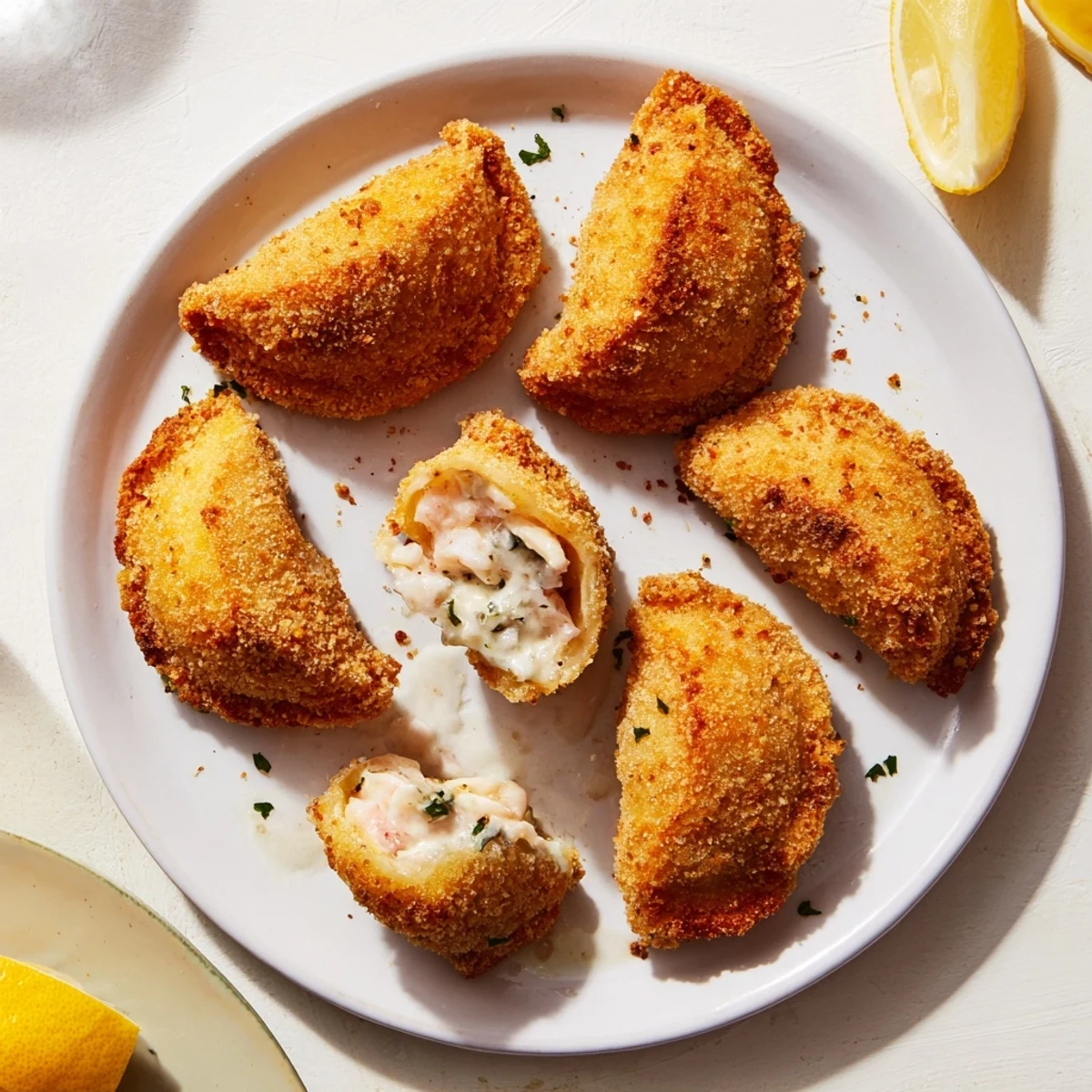
Save These became my go-to contribution to parties after that birthday celebration. There's something magical about setting down a platter of steaming, golden rissois and watching people's faces light up as they take that first crispy, creamy bite.
Make Ahead Magic
I've learned that assembling a big batch and freezing them uncooked is a game-changer. Just freeze them in a single layer on a baking sheet, then transfer to a freezer bag. They fry up perfectly from frozen, adding just an extra minute to the cooking time.
Getting That Perfect Seal
After losing too much filling through burst seams during frying, I started being extra generous with the egg wash around the edges before sealing. A fork press gives that classic ridged look and ensures nothing escapes during the hot oil bath.
Serving Suggestions
These are fantastic on their own, but I love setting out small bowls of lemon wedges and a garlicky aioli for dipping. They disappear faster than you can imagine, so definitely make more than you think you need.
- Serve them immediately while still crisp for the best texture
- A light Portuguese vinho verde pairs beautifully
- Leftovers reheat surprisingly well in a hot oven, not the microwave
 Save
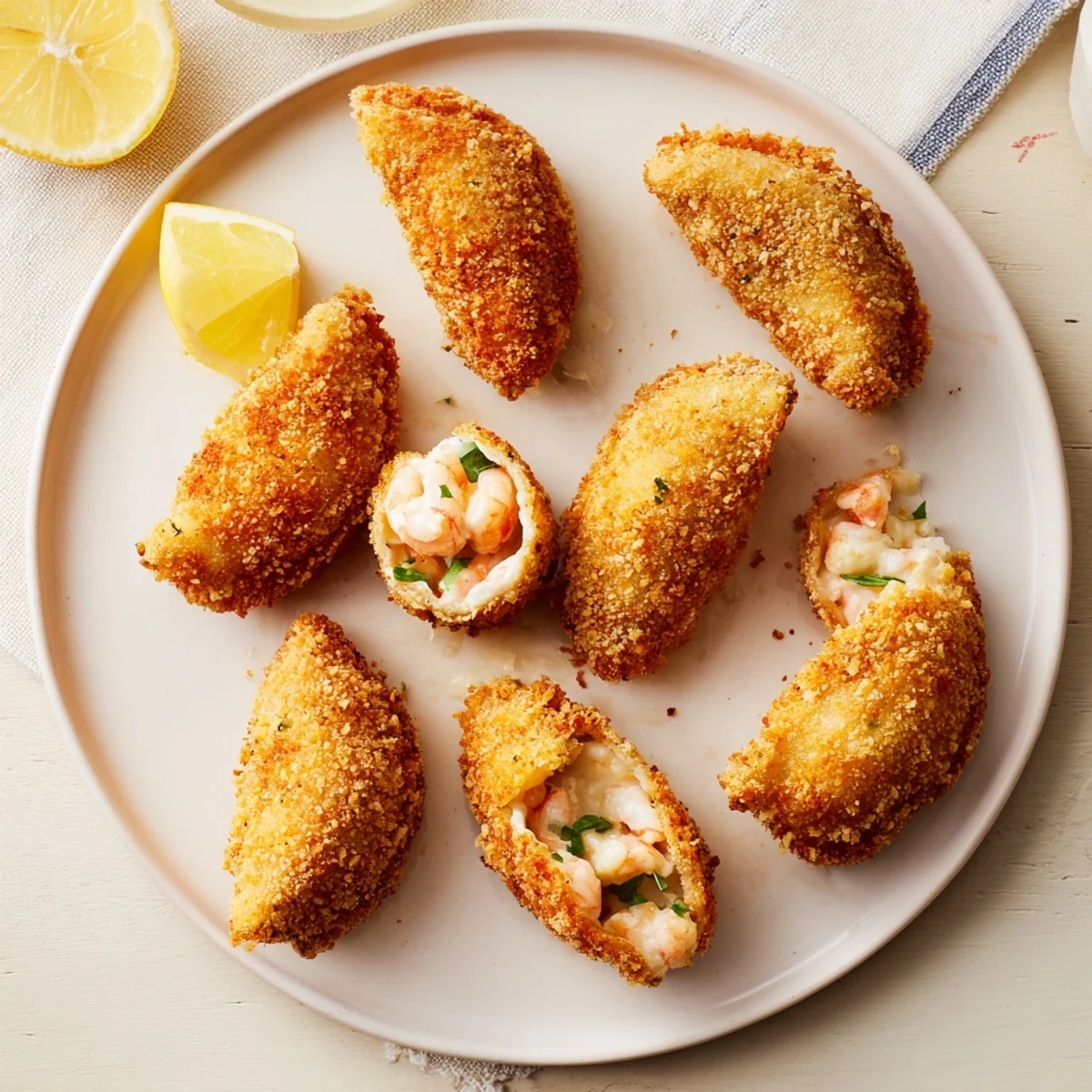
Save Every time I serve these, I think about how recipes travel through generations and families, carrying memories in every bite. These little half-moons of crispy comfort are more than just appetizers — they're edible stories.
Recipe FAQs
- → Can I freeze Portuguese rissois?
-
Yes, assemble the rissois completely and freeze them uncooked. Place them in a single layer on a baking sheet until firm, then transfer to an airtight container. Fry directly from frozen, adding an extra minute to the cooking time.
- → What oil temperature is best for frying?
-
Maintain the oil at 350°F (180°C) for optimal results. If the oil is too cool, the rissois will absorb excess fat and become greasy. If too hot, they'll brown outside before cooking through.
- → Can I bake instead of fry?
-
While traditional rissois are fried, you can bake them at 400°F (200°C) for 15-20 minutes until golden, brushing with melted butter or oil first. The texture will be less crispy than fried versions.
- → How do I prevent the filling from leaking?
-
Ensure the filling is completely cold before assembling. Don't overfill—use only about 1 teaspoon per circle. Seal edges firmly by pressing with a fork, and chill assembled rissois for 15 minutes before frying.
- → What can I serve with rissois?
-
Serve warm with lemon wedges, a light garlicky aioli, or spicy piri-piri sauce. They pair well with fresh green salads or as part of a larger Portuguese appetizer spread with bolinhos de bacalhau.
- → Can I substitute the shrimp?
-
Crab, lobster, or firm white fish like cod make excellent alternatives. The cooking time remains similar, though fish may require slightly less time in the simmering water.