
 Save
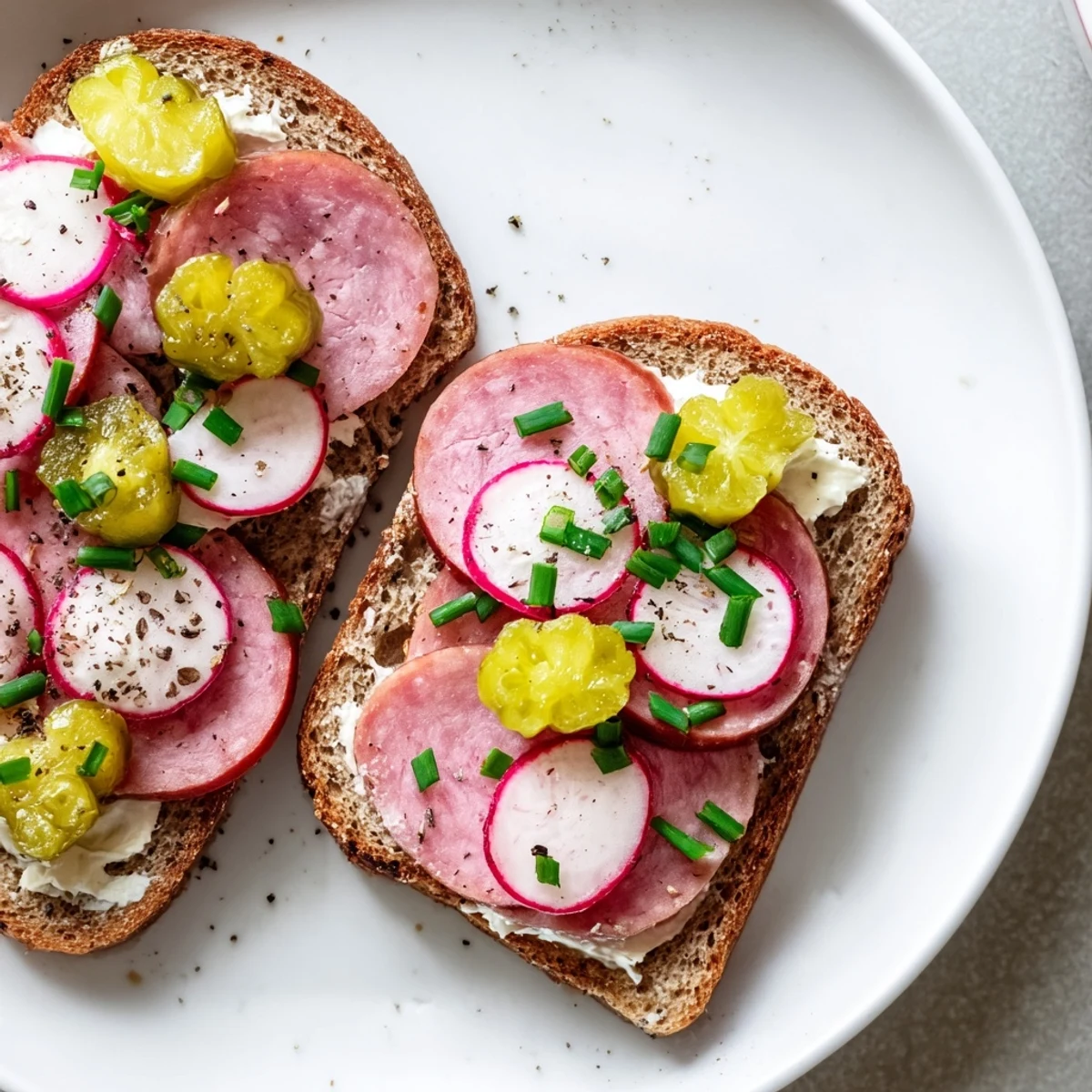
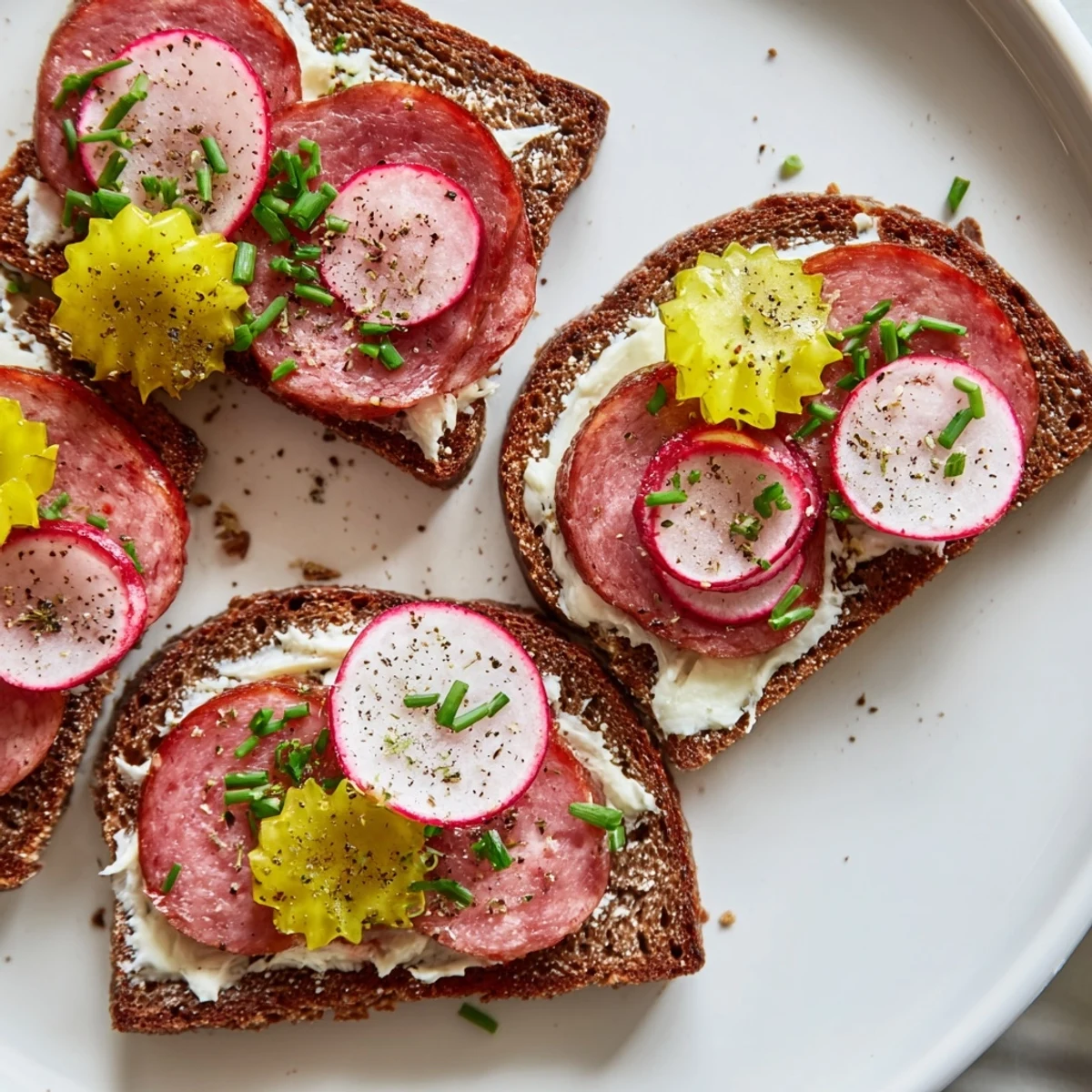
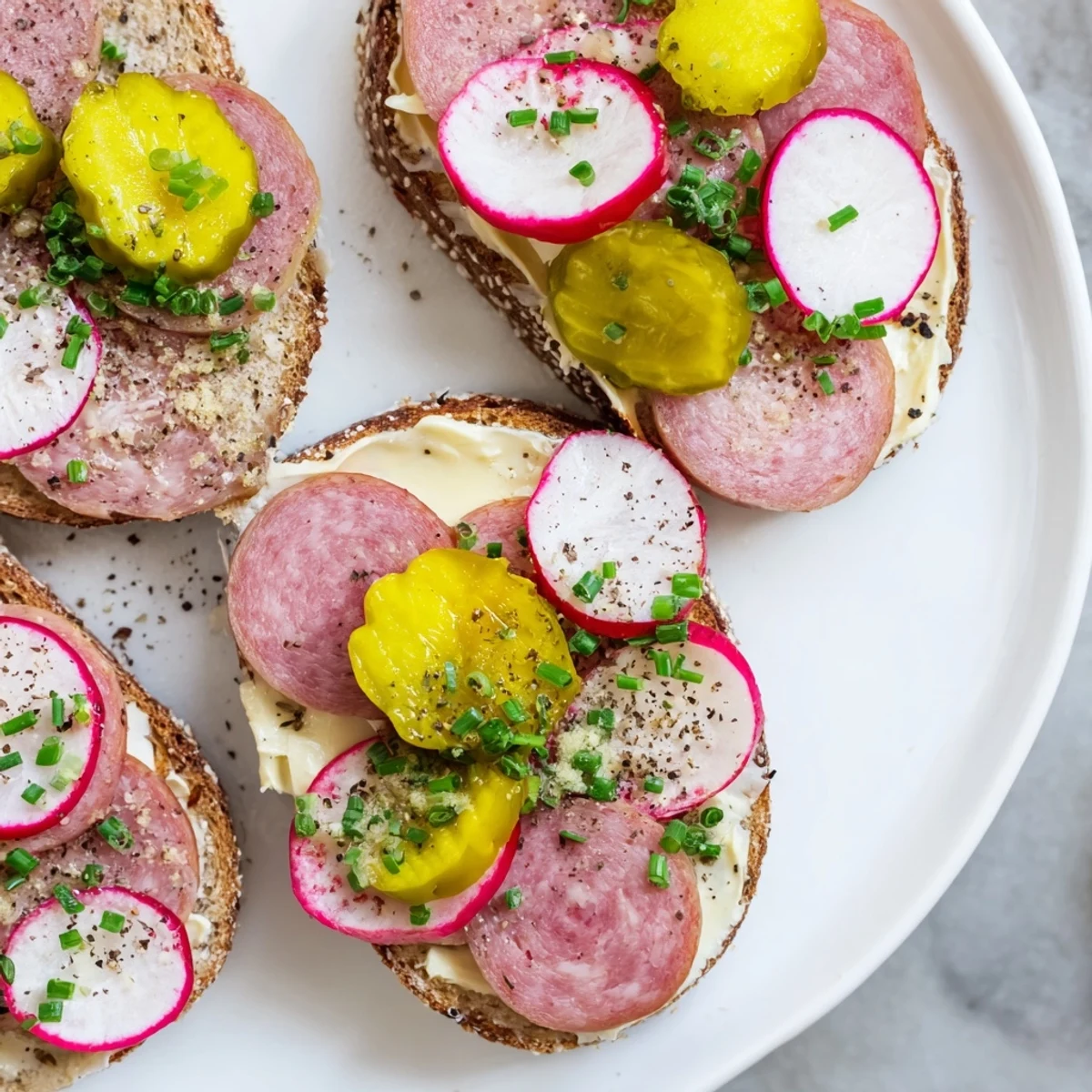
Save Polish kanapki are vibrant open-faced sandwiches built on slices of rye or rustic white bread, generously spread with softened butter or cream cheese.
Each slice is topped with a colorful arrangement of smoked ham, kielbasa, hard-boiled eggs, crisp cucumbers, radishes, tomatoes, and tangy cornichons.
Finished with a sprinkle of fresh chives and a touch of seasoning, they come together in just 15 minutes with no cooking required.
Ideal for breakfast, light lunches, or as an eye-catching appetizer spread at gatherings, kanapki are endlessly customizable to suit any taste or dietary preference.
My grandmother never measured anything when she made kanapki, and somehow every single one was perfect. She would stand at the kitchen counter on Sunday mornings, humming some old Polish tune, slicing cucumbers so thin you could almost see through them. The smell of rye bread and fresh butter still pulls me right back to that small kitchen in Chicago where I learned that a sandwich could be an act of love.
I once brought a platter of these to a friend's birthday brunch and watched three grown adults fight over the last slice topped with egg and radish. That moment taught me never to underestimate simple food done with care and good bread.
Ingredients
- Rye bread or rustic white bread (8 slices): The foundation of everything, so pick a loaf with a sturdy crumb that will hold up under toppings without sagging.
- Unsalted butter, softened (4 tbsp): Softened is key here because cold butter will tear your bread and ruin the whole experience before you even start.
- Cream cheese, optional (100 g): A nice layer under sharper toppings adds a creamy tang that balances salty meats beautifully.
- Smoked ham (4 slices): Fold each slice loosely instead of laying it flat, because the little ruffled edges catch the eye and make each piece look abundant.
- Polish sausage or kielbasa, thinly sliced (4 slices): Cut these on a slight bias for maximum surface area and a more elegant look on the plate.
- Hard boiled eggs (4 slices): Cook them until the yolk is just set but still bright, since a grey ring around the yolk will dull the whole presentation.
- Cucumber, thinly sliced (1 small): My grandmother used a mandoline for uniformity, but a steady hand and a sharp knife work just as well.
- Radishes, thinly sliced (4): These bring a peppery crunch that cuts through rich butter and cheese in the most satisfying way.
- Tomato, thinly sliced (1 small): Pat the slices dry with a paper towel first, otherwise your bread will get soggy within minutes.
- Red onion, thinly sliced (1/4): Soak the slices in ice water for five minutes if you want to tame the bite without losing the flavor.
- Cornichons or Polish pickles, sliced (8 small): Their briny snap is what makes a kanapka taste unmistakably Polish.
- Fresh chives, finely chopped (2 tbsp): Scatter these on last, because their mild onion flavor brightens every single topping combination.
- Salt and black pepper to taste: A light hand is all you need, since the meats and pickles already carry plenty of seasoning.
Instructions
- Lay the foundation:
- Arrange your bread slices on a large platter or wooden board, giving each one enough breathing room so toppings do not crowd into each other.
- Spread the love:
- Use the back of a spoon or a small offset spatula to spread butter evenly across each slice, edge to edge, because dry corners are a disappointment nobody needs.
- Build your canvas:
- Layer your chosen toppings in small clusters, letting colors and textures overlap naturally without overthinking the arrangement.
- Season with intention:
- A gentle pinch of salt over the vegetables and a few cracks of black pepper across the meats will make every flavor pop without overpowering the bread.
- Add the finishing touches:
- Tuck pickle slices around the edges and shower chopped chives over everything like confetti, because we eat with our eyes long before the first bite.
- Serve without delay:
- These are best eaten within thirty minutes of assembly, while the bread is still proud and the vegetables have not released their moisture.
 Save
Save There is something quietly powerful about a table covered in open faced sandwiches, each one a little different, all of them made with the same hands and the same intention. Food does not need to be complicated to be memorable.
Variations Worth Trying
Swap the ham for smoked salmon and add a dollop of horseradish cream if you want something that feels almost fancy enough for a holiday table. Roasted red peppers, crumbled feta, and a drizzle of olive oil turn a simple kanapka into something that leans Mediterranean while keeping its Polish soul intact.
What to Serve Alongside
A pot of strong black tea with lemon is the traditional companion, and honestly it works better than you might expect alongside salty meats and pickles. On warmer days, a cold light lager cuts through the richness and makes the whole spread feel like a proper Polish summer afternoon.
Storage and Leftovers
Leftover toppings will keep in separate containers in the refrigerator for up to three days, which means you can prep everything today and build fresh sandwiches tomorrow. Bread that has gone slightly stale can be toasted lightly before topping, and it actually holds up better than fresh.
- Keep sliced cucumbers and tomatoes in separate containers so they do not make everything watery.
- Store leftover pickles in their brine and they will last weeks without losing their snap.
- Always assemble just before eating, because patience here is the difference between good and disappointing.
 Save
Save Make a platter of these for someone you love, hand them a cup of tea, and watch the conversation flow. That is the real secret behind every great kanapka.
Recipe FAQs
- → What type of bread works best for kanapki?
-
Traditional Polish kanapki are most often made with dense rye bread, which provides a sturdy base and a slightly sour flavor that pairs beautifully with rich toppings.
Rustic white bread or pumpernickel are also excellent choices. The key is using a firm, close-crumbed bread that won't sag under the weight of the toppings.
- → Can kanapki be made ahead of time?
-
Kanapki are best assembled fresh and served immediately to keep the bread from becoming soggy and the vegetables crisp.
However, you can prepare all toppings in advance—slice meats, vegetables, and eggs ahead of time and store them separately in the refrigerator. Assembly takes only minutes when you're ready to serve.
- → What are traditional Polish toppings for kanapki?
-
Classic toppings include slices of smoked kielbasa, ham, hard-boiled eggs, cucumbers, radishes, tomatoes, and Polish pickles or cornichons.
Popular spreads include butter, cream cheese, and sometimes horseradish cream. Fresh chives are the most traditional garnish, though dill is also commonly used.
- → Are kanapki served warm or cold?
-
Kanapki are served cold or at room temperature, making them an ideal no-cook option for warm days, buffets, or impromptu gatherings.
They're a staple of Polish hospitality, often appearing alongside afternoon tea or as part of a holiday appetizer spread.
- → How can I make vegetarian kanapki?
-
Simply omit the ham and kielbasa, and load up on extra vegetables like bell peppers, roasted red peppers, or mushrooms.
You can add slices of cheese—such as Polish Gouda, Muenster, or feta—for protein. Smoked salmon is another popular variation that bridges the gap between light and satisfying.