
 Save
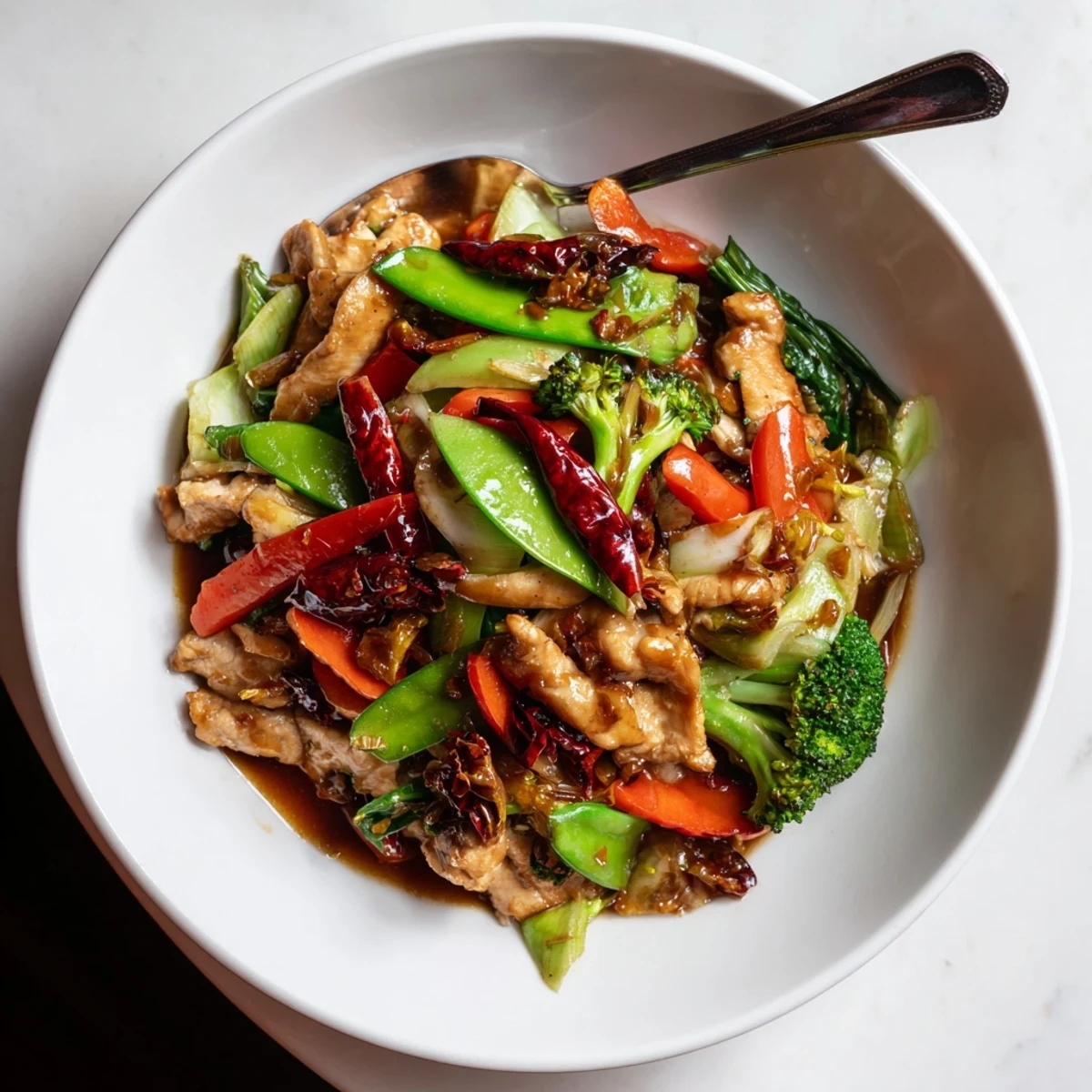
Save This Hunan chicken stir-fry brings the heat with tender marinated chicken, crisp bell peppers, broccoli, and snow peas tossed in a fiery chili and black bean sauce.
Ready in just 35 minutes, it's a perfect weeknight meal served over steamed jasmine rice. Adjust the dried chilies and chili paste to control the spice level to your liking.
The sizzle of chicken hitting a smoking wok is one of those sounds that instantly transports me back to a tiny restaurant in Changsha where the air hung thick with chili and garlic. I was visiting a friend who insisted I try authentic Hunan cooking, and one bite of that fiery, velvety chicken rearranged everything I thought I knew about stir frying. I spent the next three months trying to recreate that sauce at home, burning through more dried chilies than I care to admit.
My roommate at the time started leaving prepaid containers on the counter as a not so subtle hint that I should make this again, which became our Tuesday night ritual for an entire winter.
Ingredients
- Boneless skinless chicken breast (500 g): Slice it thin against the grain so every piece stays tender and cooks evenly in the wok.
- Soy sauce (1 tbsp for marinade, 2 tbsp for sauce): The marinade amount tenderizes while the sauce portion builds that deep salty backbone.
- Shaoxing wine (1 tbsp): This is the secret to that restaurant quality depth. Dry sherry works in a pinch but Shaoxing is worth seeking out.
- Cornstarch (1 tsp for marinade, 1 tsp for sauce): In the marinade it creates a velvety coating on the chicken and in the sauce it delivers that glossy cling.
- Red and green bell peppers (1 each): Using both colors is not just for looks. The slight bitterness of green plays beautifully against the sweeter red.
- Broccoli florets (1 cup): Cut them small so they cook through in the fast stir fry without needing to blanch first.
- Carrot (1, sliced thin): Thin slices matter here because raw carrot takes longer to soften than you might expect in a hot wok.
- Snow peas (100 g): These add a snap and sweetness that balances the heavier sauce. Do not overcook them or you lose that crunch entirely.
- Scallions (3, sliced): Save the greener parts for garnish because they brighten the whole plate at the end.
- Garlic (3 cloves, minced) and fresh ginger (1 tbsp, minced): Mince these as finely as you can because the wok cooks them in seconds and large chunks will burn before flavoring the oil.
- Oyster sauce (1 tbsp): This is the umami bomb that rounds out the chili heat. Check the label if shellfish is a concern.
- Black bean sauce (1 tbsp): It adds a fermented depth that soy sauce alone cannot replicate.
- Chili paste or chili garlic sauce (2 tsp): Start with two teaspoons and taste the sauce before adding more because every brand carries a different level of fire.
- Sugar (1 tsp): Just enough to soften the edges of the chili and bring the sauce into balance.
- Chicken broth (1/2 cup): This thins the sauce so it can coat every piece of chicken and vegetable instead of turning into a paste.
- Dried red chilies (6 to 8): These infuse the cooking oil with a smoky warmth that the chili paste alone does not provide.
- Vegetable oil (2 tbsp): Use a neutral oil with a high smoke point because the wok needs to be genuinely hot.
Instructions
- Marinate the chicken:
- Toss the sliced chicken with soy sauce, Shaoxing wine, and cornstarch until every piece is evenly coated. Let it sit for ten minutes while you prep everything else because this short rest makes a real difference in tenderness.
- Build the sauce:
- Whisk together the soy sauce, oyster sauce, black bean sauce, chili paste, sugar, chicken broth, and cornstarch in a bowl until no lumps remain. Give it a taste and adjust the heat level now before cooking.
- Sear the chicken:
- Heat one tablespoon of oil in your wok over high heat until it just starts to shimmer. Add the chicken in a single layer and let it sear without stirring for a minute before tossing, cooking until just done and no longer pink inside.
- Bloom the aromatics:
- Pour the remaining oil into the wok and add the dried chilies, garlic, and ginger all at once. Stand back slightly because the fragrance will hit you immediately and stir constantly for about thirty seconds until your kitchen smells incredible.
- Stir fry the vegetables:
- Add the bell peppers, broccoli, carrot, snow peas, and most of the scallions to the wok. Keep everything moving for two to three minutes until the vegetables are brightly colored and just tender with a slight bite remaining.
- Bring it all together:
- Return the chicken to the wok and give your sauce one last stir before pouring it over everything. Toss continuously for two to three minutes until the sauce thickens into a glossy coating that clings to every piece.
- Serve immediately:
- Transfer to a platter and scatter the reserved scallions over the top. Serve over steamed jasmine rice while everything is still piping hot and the sauce is at its most velvety.
 Save
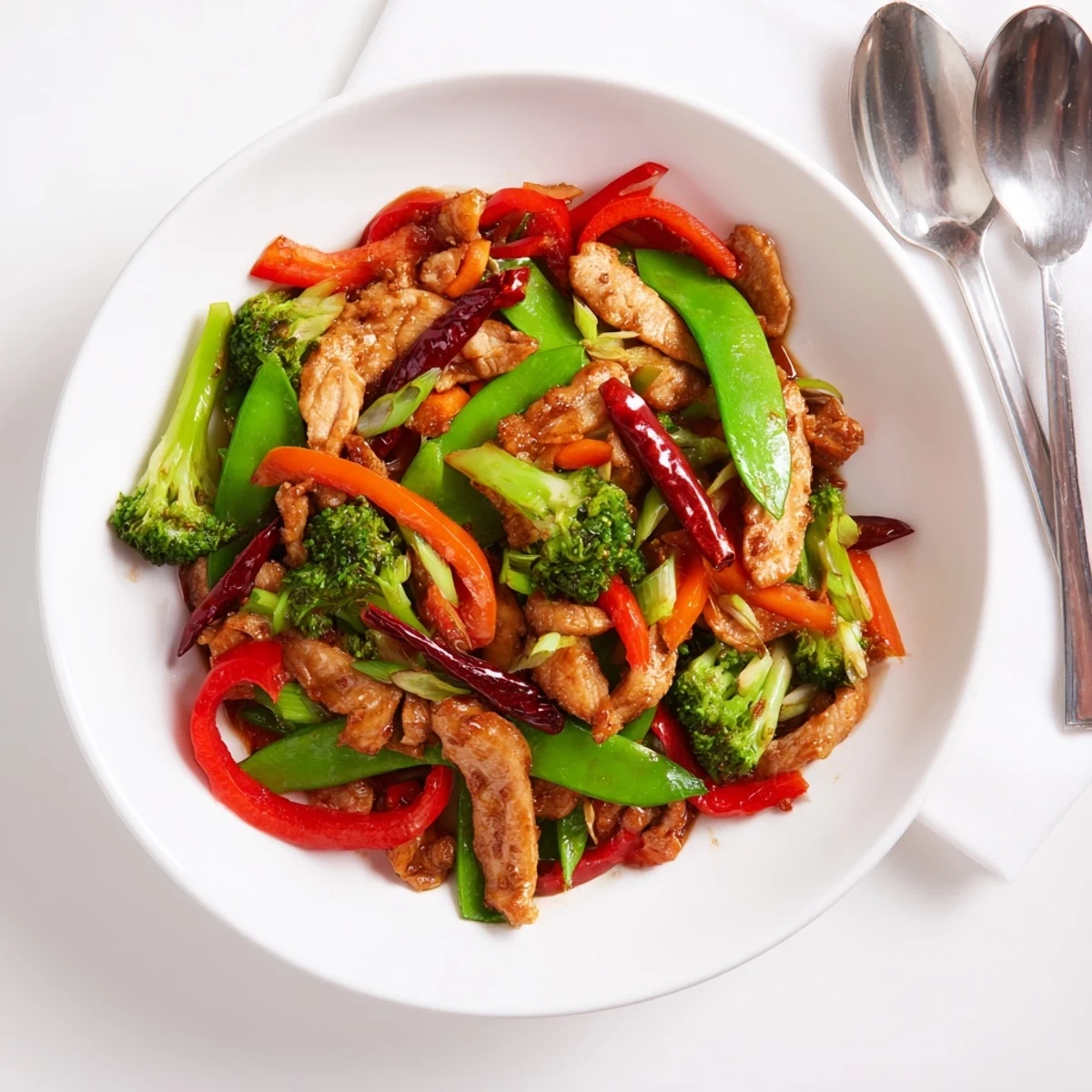
Save There is something about the way the dried chilies perfume the oil that turns a weeknight dinner into an event worth gathering around the table for.
Getting The Wok Heat Right
The biggest mistake home cooks make with stir frying is not letting the pan get hot enough before adding oil. Wait until you can feel the heat radiating off the wok surface when you hold your hand above it. If the chicken does not sizzle aggressively the moment it touches the metal, pull it out and wait longer.
Vegetable Substitutions That Work
I have thrown almost every vegetable into this dish over the years and it forgives generously. Zucchini, baby corn, mushrooms, and snap peas all perform beautifully as long as you cut them into uniform pieces so they finish cooking at the same time.
Leftovers And Reheating
The sauce actually deepens overnight in the refrigerator which makes the next day lunch something to look forward to. Reheat gently in a pan with a splash of water because microwaving can make the chicken rubbery and the vegetables sad.
- Store leftovers in an airtight container for up to three days.
- Keep the rice separate if possible so it does not absorb all the sauce.
- Add a squeeze of lime juice when reheating to wake up the flavors.
 Save
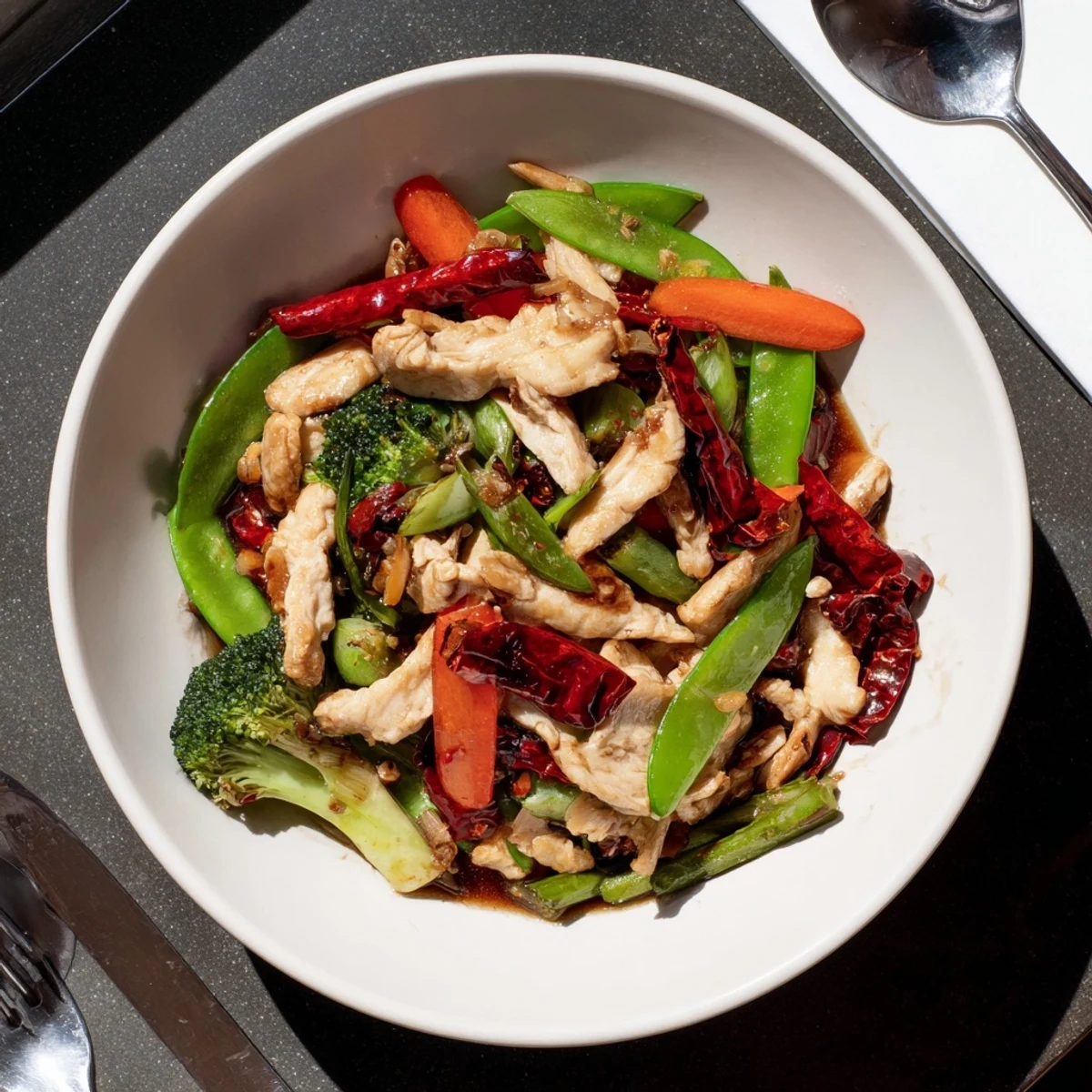
Save Some dishes become staples because they are easy but this one earned its place because every bite still excites me the way that first taste in Changsha did years ago.
Recipe FAQs
- → How spicy is Hunan chicken?
-
Hunan chicken is known for its bold, fiery heat from dried red chilies and chili paste. You can easily adjust the spice level by reducing the number of dried chilies or using less chili paste.
- → Can I use chicken thighs instead of chicken breast?
-
Yes, boneless skinless chicken thighs work great and stay even juicier. Slice them thinly just like you would with breast meat for even cooking.
- → What can I substitute for Shaoxing wine?
-
Dry sherry is the closest substitute. You can also use mirin or a splash of rice vinegar with a pinch of sugar, or simply omit it if needed.
- → How do I keep the vegetables crisp-tender?
-
Cook the vegetables over high heat and avoid overcooking. Stir-fry for just 2–3 minutes until they retain their bright color and slight crunch.
- → Is this dish gluten-free?
-
Not by default due to soy sauce and black bean sauce. Use tamari or gluten-free soy sauce and check labels on all sauces to make it gluten-free.
- → What should I serve with Hunan chicken?
-
Steamed jasmine rice or brown rice is the classic pairing. You can also serve it with noodles or cauliflower rice for a lower-carb option.