
 Save
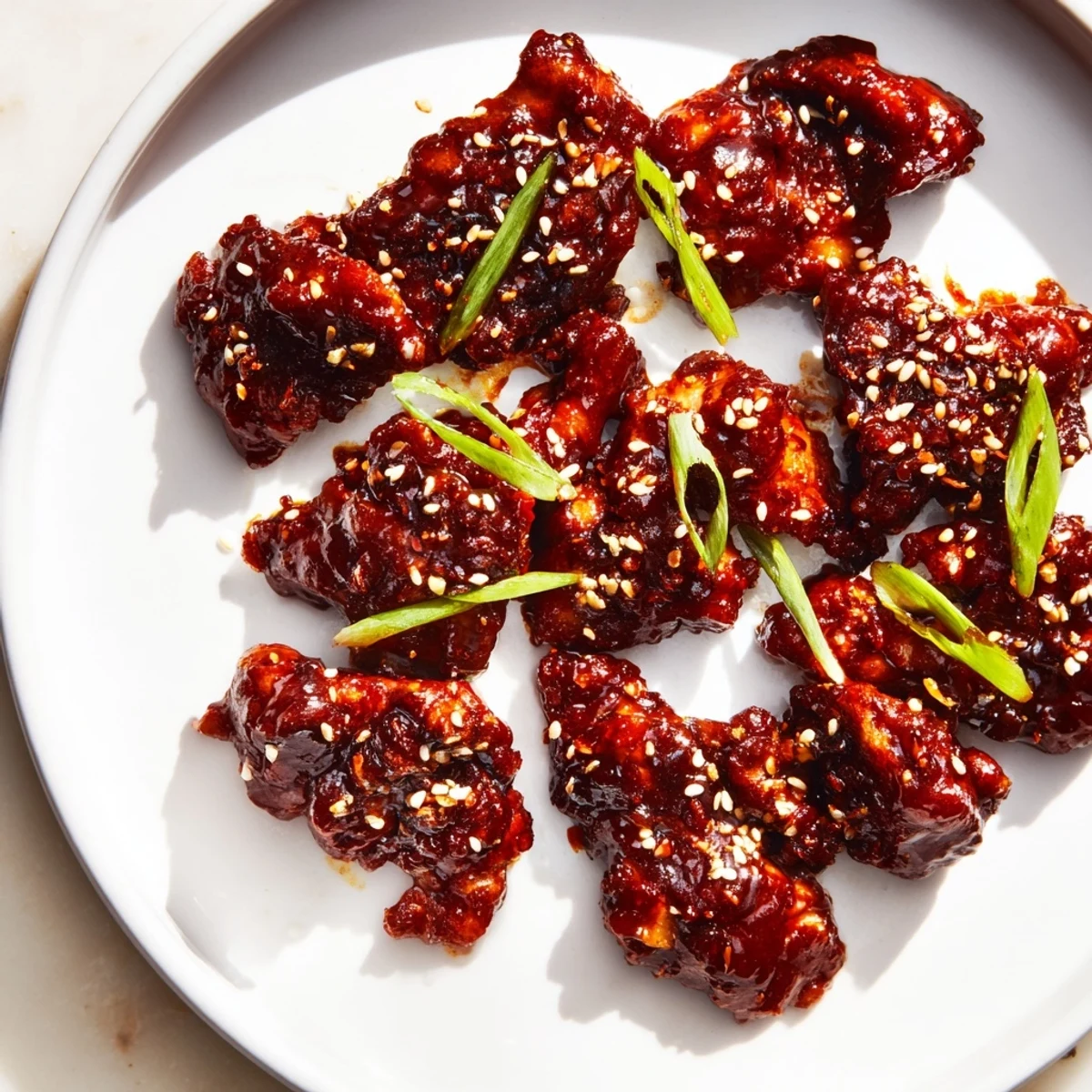
Save This Korean-inspired gochujang chicken delivers a perfect balance of sweet, savory, and spicy in every bite.
Succulent boneless chicken thighs are marinated in a vibrant mixture of gochujang chili paste, soy sauce, honey, rice vinegar, sesame oil, garlic, and ginger, then seared until beautifully caramelized.
Ready in just 40 minutes with 15 minutes of prep, it's an easy weeknight dinner that doesn't sacrifice on depth of flavor. Serve over steamed white rice with a sprinkle of toasted sesame seeds and sliced spring onions for a satisfying meal the whole table will love.
The sizzle of chicken hitting a screaming hot pan on a Tuesday evening changed my entire weeknight dinner game forever. Gochujang was a tub of mystery sitting in the back of my fridge until a rainy afternoon experiment turned it into the most requested dish in my house. That deep red paste smells like promise, earthy and faintly sweet, and when it caramelizes on chicken thighs, something magical happens. This recipe is the result of many happy accidents and a very sticky kitchen.
My neighbor walked over one evening while I was cooking this and stood silently at the open window for a full minute before asking what on earth I was making. I invited her in, plated some rice, and we stood around the kitchen island eating straight from the pan with chopsticks, barely saying a word because our mouths were too full.
Ingredients
- Chicken thighs (800 g, boneless and skinless): Thighs hold up beautifully to high heat and stay juicy inside while the outside gets that irresistible char.
- Gochujang (3 tbsp): The soul of this dish, bringing fermented depth, gentle heat, and a natural sweetness that regular chili sauce cannot replicate.
- Soy sauce (2 tbsp): Adds salt and umami that grounds the sweetness of the honey and gochujang.
- Honey (2 tbsp): Helps the sauce caramelize into a glossy glaze and balances the fermented funk of the paste.
- Rice vinegar (1 tbsp): A subtle brightness that keeps the dish from feeling heavy or one note.
- Sesame oil (1 tbsp): Toasted sesame oil stirred in raw adds a nutty aroma that makes the whole kitchen smell like your favorite Korean restaurant.
- Garlic (3 cloves, minced): Fresh garlic is nonnegotiable here for its sharp, aromatic punch.
- Ginger (1 tbsp, grated): Grated ginger melts into the sauce and adds warmth without overwhelming the other flavors.
- Toasted sesame seeds (1 tsp): A finishing sprinkle that adds texture and a delicate crunch.
- Spring onion (1, thinly sliced): The fresh, sharp bite of raw spring onion on top cuts through the richness beautifully.
- Cooked white rice or steamed vegetables (for serving): You will want something mild to soak up every last drop of that sauce.
Instructions
- Whisk the sauce together:
- In a large bowl, combine the gochujang, soy sauce, honey, rice vinegar, sesame oil, minced garlic, and grated ginger. Whisk until smooth and unified, and take a moment to appreciate how gorgeous that deep red color looks.
- Coat the chicken:
- Add the bite sized chicken pieces to the bowl and toss with your hands or tongs until every piece is thoroughly coated. Let it sit for at least ten minutes, or cover and refrigerate up to two hours if you have the time.
- Heat the pan:
- Set a large skillet or grill pan over medium high heat and let it get properly hot before adding anything. You want to hear a confident sizzle the moment the chicken touches the surface.
- Cook until caramelized:
- Add the marinated chicken in a single layer and cook for six to eight minutes per side until deeply caramelized and cooked through. Do not crowd the pan or move the pieces around too much, because that beautiful char needs uninterrupted contact with the heat.
- Garnish and serve:
- Remove from the heat, scatter toasted sesame seeds and sliced spring onion over the top, and serve immediately over steamed rice or alongside your favorite vegetables.
 Save
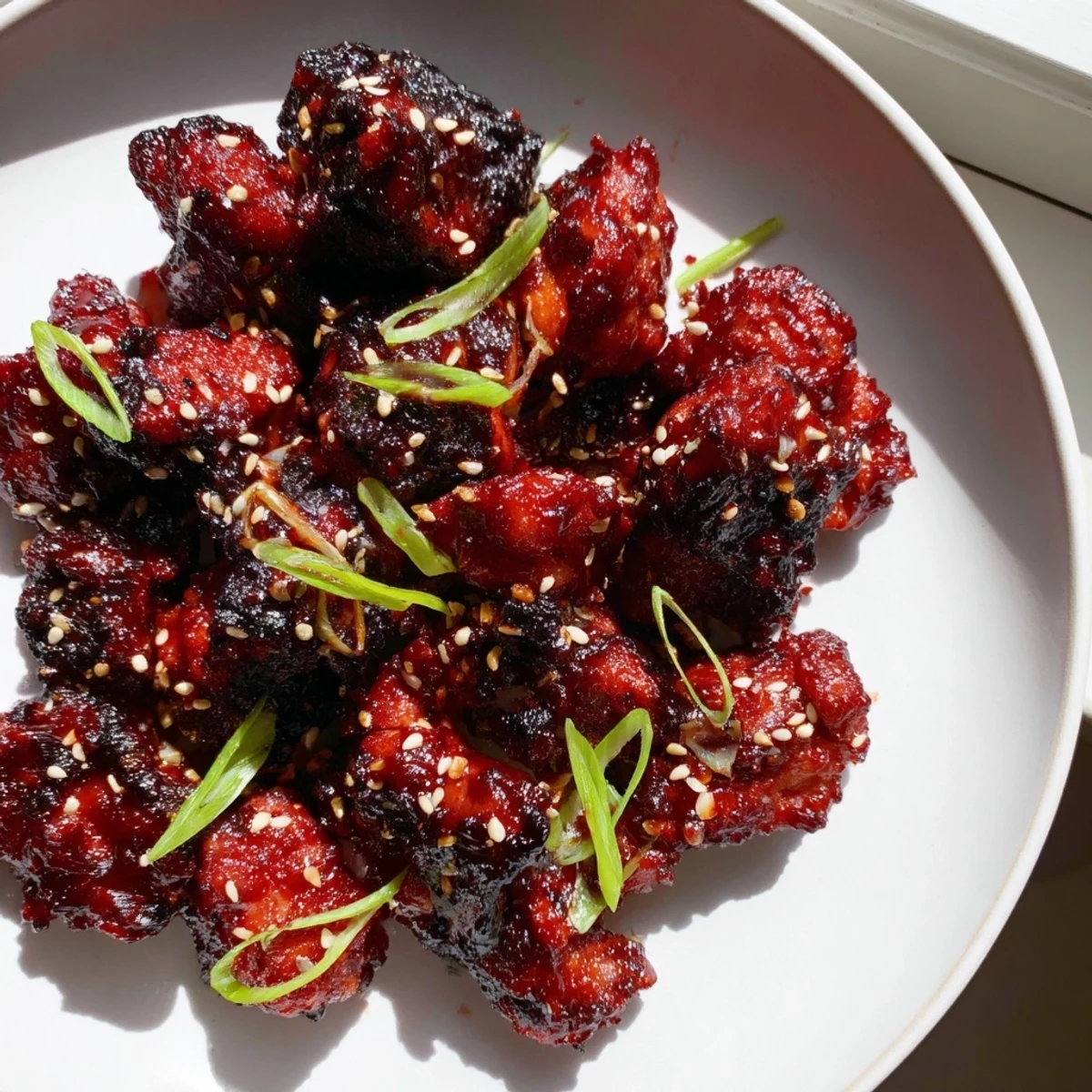
Save There is something about eating this dish that makes everyone at the table go quiet in the best possible way.
Spice It Your Way
A teaspoon of gochugaru tossed into the marinade transforms this from gently warming to genuinely fiery, and I learned that lesson after a friend dared me to double the heat one football Sunday. The original version is approachable and crowd friendly, so adjust based on who is sitting at your table.
Swapping the Protein
Chicken breasts work fine if that is what you have, but slice them slightly thicker and watch the cooking time carefully because lean meat dries out fast. I have also tossed this same sauce with cubed tofu and roasted cauliflower, and both were absolutely worth remembering for meatless Mondays.
What to Serve Alongside
Steamed bok choy with a splash of soy sauce and a simple cucumber salad dressed with rice vinegar are my go-to sides that keep the meal feeling balanced. The cool crunch of cucumber against the sticky, spicy chicken is a combination I never get tired of.
- Make extra sauce and drizzle it over whatever side dish you choose.
- A cold beer or sparkling water with lime cuts the richness perfectly.
- Always cook more rice than you think you need because you will want seconds.
 Save
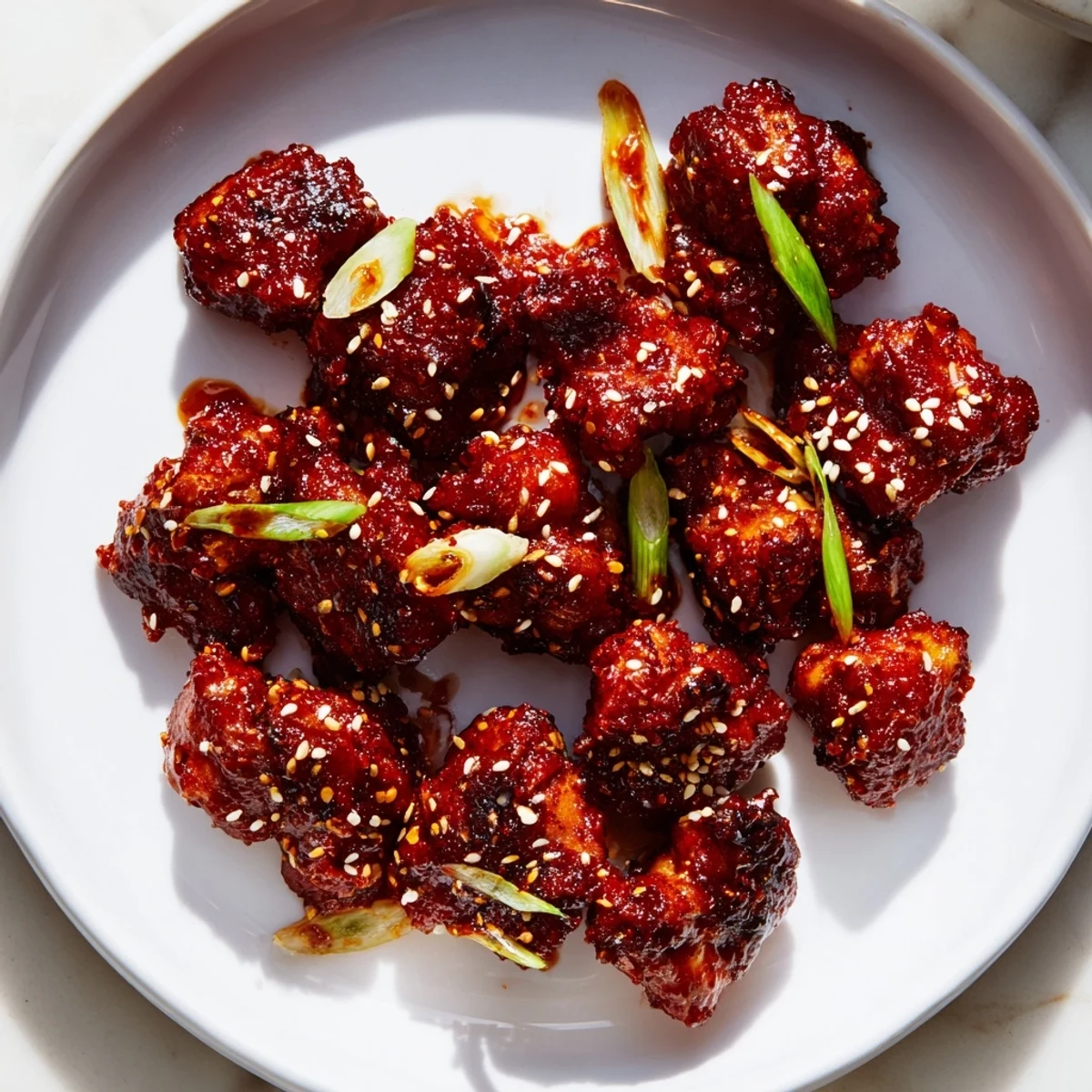
Save Keep a stash of gochujang in your fridge and this recipe will rescue more weeknights than you ever expected. It is bold, forgiving, and exactly the kind of dinner that makes people close their eyes when they take the first bite.
Recipe FAQs
- → What is gochujang and where can I find it?
-
Gochujang is a Korean red chili paste made from fermented soybeans, glutinous rice, and chili peppers. It has a thick, sticky consistency with a complex sweet, savory, and spicy flavor profile.
You can find it in most grocery stores in the Asian foods aisle, at Korean markets, or online. Look for tubs or squeeze bottles — the artisanal versions tend to have deeper flavor.
- → Can I use chicken breasts instead of thighs?
-
Yes, chicken breasts work as a leaner alternative, but they cook faster and can dry out more easily.
If using breasts, reduce the cooking time to about 4–5 minutes per side and monitor the internal temperature to reach 165°F (74°C) without overcooking.
- → How spicy is this dish?
-
The heat level is moderate, as gochujang provides more umami depth than intense spiciness. The honey and rice vinegar help mellow the chili warmth.
For extra heat, stir in 1 teaspoon of gochugaru (Korean chili flakes) into the marinade. To make it milder, reduce the gochujang to 2 tablespoons and add an extra tablespoon of honey.
- → How long should I marinate the chicken?
-
A minimum of 10 minutes at room temperature will give you decent flavor, but for the best results, marinate the chicken for 1 to 2 hours in the refrigerator.
The longer marination allows the soy sauce, garlic, and ginger to deeply penetrate the meat, resulting in more tender and flavorful chicken.
- → What sides pair well with gochujang chicken?
-
Steamed white rice is the classic pairing, soaking up the sweet and savory glaze beautifully.
Steamed bok choy, a crisp cucumber salad dressed with sesame, pickled radish, or stir-fried vegetables all complement the dish. For a lighter option, serve over cauliflower rice or alongside a simple green salad.
- → Is this dish gluten-free?
-
It can be made gluten-free by substituting regular soy sauce with tamari or a certified gluten-free soy sauce alternative.
Always check the label on your gochujang as well, since some brands include wheat in their fermentation process. Look for specifically gluten-free gochujang if needed.