
 Save
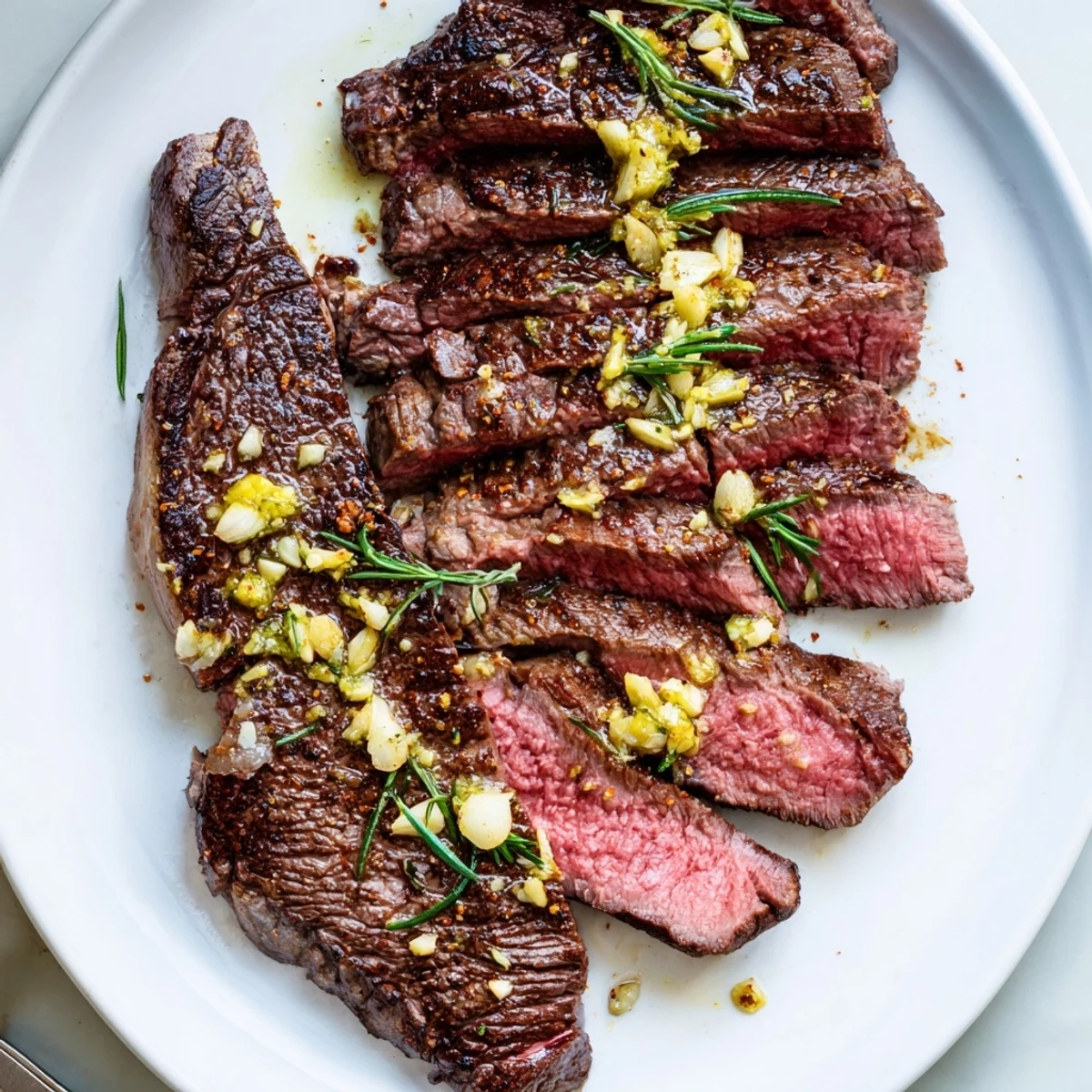
Save This cast iron ribeye delivers restaurant-quality results with a perfectly crispy crust and juicy interior. The high-heat sear creates a beautiful brown crust, while basting with aromatic garlic butter infused with thyme and rosemary adds incredible depth of flavor.
The technique is simple yet impressive: sear undisturbed, flip, then continuously baste with foaming butter. This method ensures even cooking and creates that coveted steakhouse finish at home.
Ready in just 20 minutes with minimal ingredients, this ribeye is perfect for weeknight dinners or special occasions. Let the meat rest before serving to lock in juices, and finish with flaky sea salt for the perfect bite.
The way my grandfather treated steak night still sticks with me. He would stand by his cast iron skillet like a sentry, absolutely refusing to let anyone distract him from the sizzling meat in front of him. That intense focus taught me something about cooking steak that most people miss: it demands your full attention. Now whenever I heat up that heavy pan, I can almost hear him saying patience is what separates good steaks from great ones.
I made this for my anniversary dinner during our first year of marriage, and honestly I was terrified I would ruin such expensive cuts of meat. My husband took one bite and went completely silent, then looked at me and said this beats that steakhouse downtown. Weve had it every anniversary since, and it never loses that magic. Something about standing over that hissing pan, making something so simple yet so perfect, feels like a celebration.
Ingredients
- 2 boneless ribeye steaks (12 oz each): The thickness matters here, 1 to 1.5 inches gives you that perfect exterior without overcooking the center
- 1 ½ teaspoons kosher salt: Use this generously, it creates the crust and penetrates the meat better than table salt
- 1 teaspoon freshly ground black pepper: Grind it right before you season for the most potent kick
- 3 tablespoons unsalted butter: Unsalted lets you control the seasoning, and it melts beautifully for basting
- 3 cloves garlic, crushed: Crushing instead of mincing releases more oils into the butter as it melts
- 2 sprigs fresh thyme: These woody herbs hold up to the high heat and infuse the fat with earthy flavor
- 1 sprig fresh rosemary: Piney and aromatic, just one sprig goes a long way in that butter
- 1 tablespoon olive oil: High smoke point means it wont burn when you sear at high heat
- Flaky sea salt: The finishing touch that adds texture and bright pops of salty flavor
Instructions
- Bring steaks to room temperature:
- Pull the steaks out of the fridge at least 30 minutes before cooking and pat them completely dry with paper towels. Cold steaks seize up when they hit the hot pan and never cook evenly.
- Season generously:
- Sprinkle both sides with the kosher salt and pepper, pressing it gently into the meat so it adheres. Do this right before cooking so the salt doesnt draw moisture out too early.
- Get the pan screaming hot:
- Heat your cast iron skillet over high heat for about 3 to 5 minutes until its visibly radiating heat. A properly hot pan is what creates that caramelized crust we are after.
- Sear the first side:
- Add the olive oil, swirl to coat the bottom, then lay the steaks in without touching them again for 2 to 3 minutes. You will know they are ready to flip when they release easily and have a deep brown crust.
- Flip and baste:
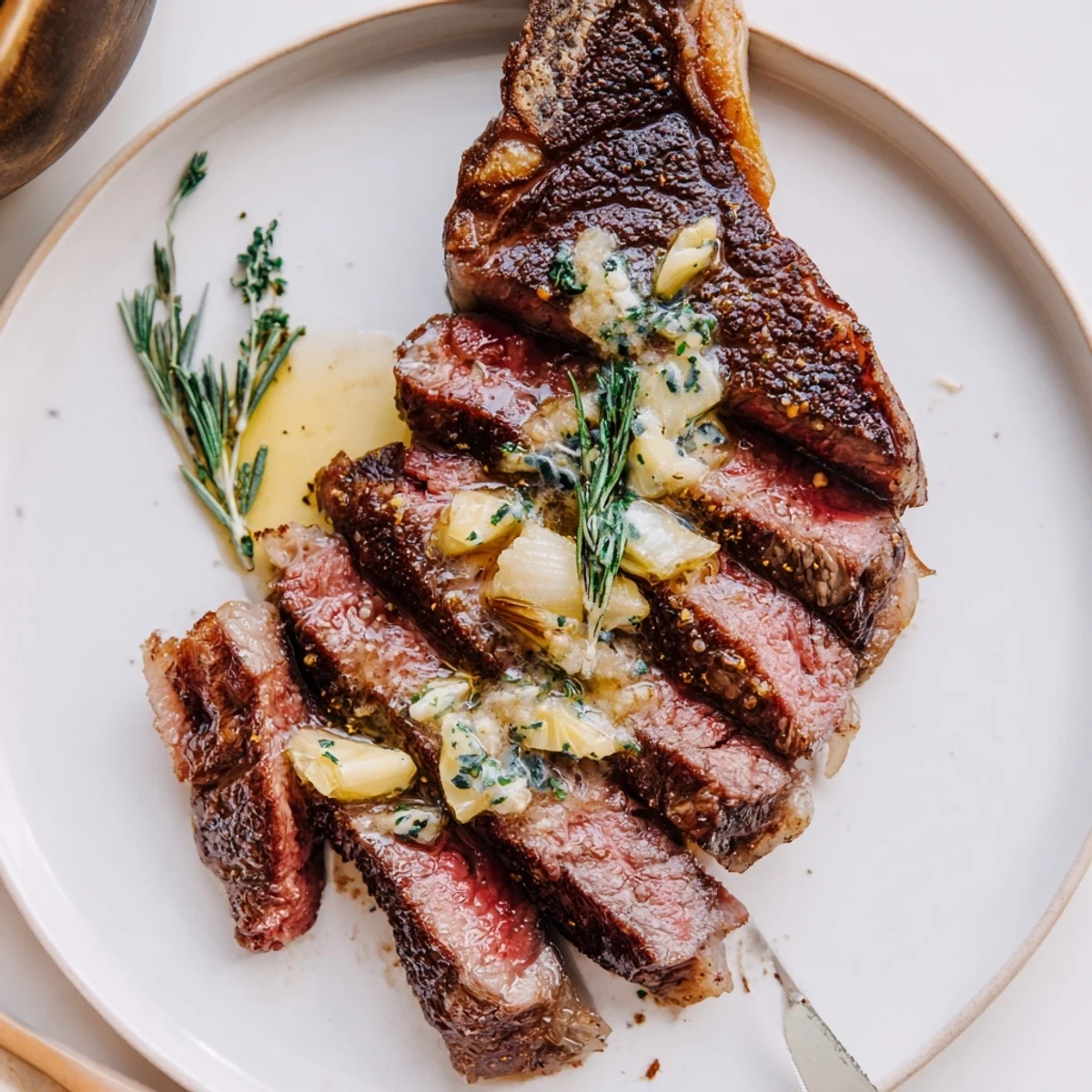
- Turn the steaks, toss in the butter, garlic, thyme, and rosemary, then tilt the pan so the butter pools. Spoon that aromatic, garlicky butter over the steaks continuously for 2 to 3 minutes until they reach 125°F for medium rare.
- Rest before serving:
- Move the steaks to a plate and tent loosely with foil for 5 minutes to let the juices redistribute. Slice against the grain and spoon any remaining garlic butter from the pan over the top, finishing with flaky salt if you like.
 Save
Save My brother, who swears he only likes well done meat, tried this cooked to medium rare after watching me make it. He took that first bite, eyes got wide, and admitted he had been missing out on something his entire life. Now he requests this specifically for his birthday dinner every year. There is something incredibly satisfying about converting someone to the church of properly cooked steak.
Getting That Perfect Crust
The sound the steak makes when it hits the hot pan tells you everything you need to know. If it does not sizzle aggressively, your pan is not hot enough and you will end up with gray, steamed meat instead of a beautiful brown crust. Do not rush this step, let the steak develop that fond (the brown bits) on the bottom, because that is where all the flavor lives. I learned the hard way that moving the steak around too much prevents proper contact with the pan surface.
Choosing Your Butter
Unsalted butter gives you complete control over the seasoning profile, which is crucial when you are already being generous with the salt on the meat itself. During one dinner party, I only had salted butter on hand and the finished steak was overwhelmingly salty despite my best efforts to compensate. Now I keep unsalted butter specifically for cooking and finishing dishes. The garlic and herbs need time to infuse the butter as it melts, so do not rush the basting step.
Doneness and Resting
That resting period is not optional, it is the difference between a juicy steak and a dry disappointment. The juices need time to redistribute throughout the meat after being concentrated in the center during cooking. I treat my meat thermometer like a sacred tool because guessing never works out in your favor. Remember that the temperature will rise about 5 degrees while resting, so pull your steaks slightly early.
- Invest in a good instant read thermometer, it pays for itself in perfectly cooked meat
- If you do not have a thermometer, the finger test is better than cutting into the meat
- Let the pan cool slightly before cleaning to preserve that seasoning you have worked so hard to build
 Save
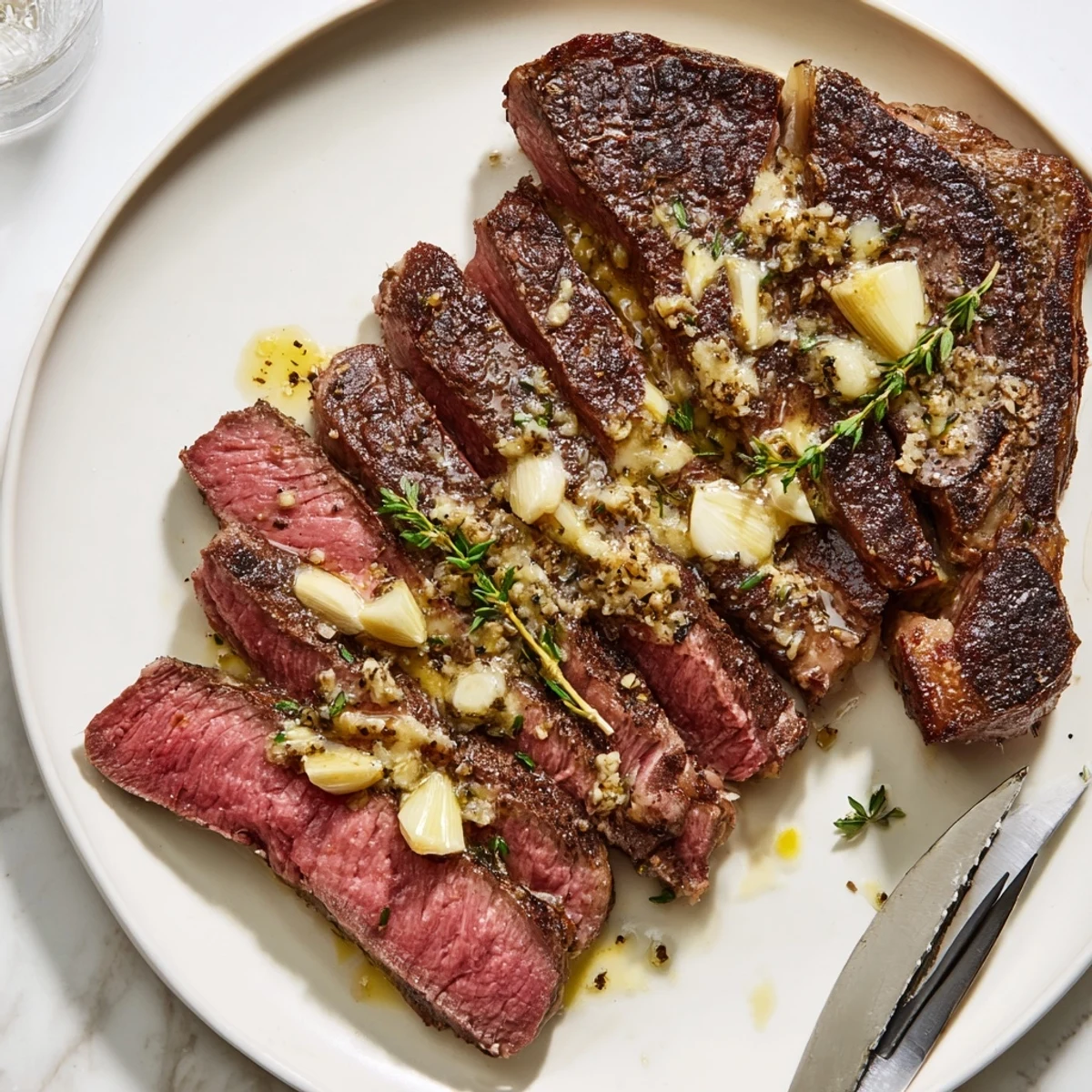
Save There is something deeply satisfying about cooking steak at home, standing over that hot pan with the smell of garlic and butter filling your kitchen. It turns a Tuesday dinner into something special without much more effort than any other weeknight meal.
Recipe FAQs
- → What temperature should I cook ribeye to?
-
For medium-rare, aim for 125°F (52°C) internal temperature. The steak will continue cooking slightly while resting, so remove it from heat when you're 5 degrees away from your target doneness.
- → Why bring steak to room temperature before cooking?
-
Letting ribeye rest at room temperature for 30 minutes ensures even cooking throughout. Cold meat contracts when hitting hot pans, leading to uneven searing and a gray band of overcooked meat around the edges.
- → How do I get a good crust on my steak?
-
Pat the meat completely dry before seasoning, use a smoking-hot cast iron skillet, and don't move the steak during the initial sear. The contact with hot metal creates that caramelized, flavorful crust.
- → What does basting do for the steak?
-
Continuous basting with garlic butter infuses the meat with flavor while helping it cook evenly. The hot butter, aromatics, and herbs create a natural sauce that penetrates the surface and enhances every bite.
- → How long should I rest the ribeye?
-
Rest for at least 5 minutes tented with foil. This allows juices to redistribute throughout the meat rather than spilling out onto the cutting board. Cutting too soon results in a dry, less flavorful steak.
- → Can I use other cuts of beef?
-
This method works beautifully for New York strip, filet mignon, or porterhouse steaks. Adjust cooking times based on thickness—thinner cuts need less time, while thicker cuts may require finishing in the oven.