
 Save
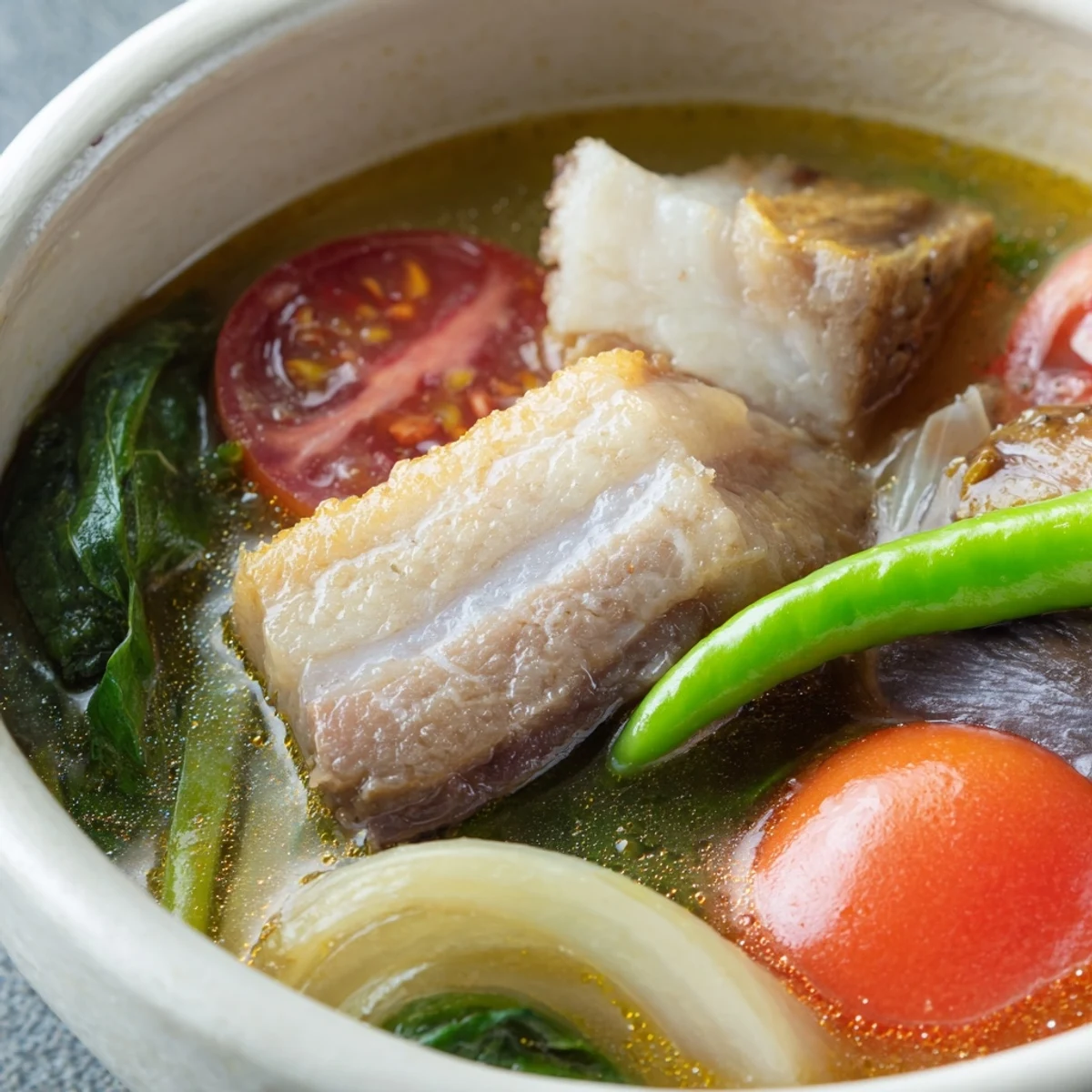
Save Sinigang delivers the perfect balance of tangy and savory flavors that define Filipino comfort cuisine. This sour soup features succulent pork belly or ribs simmered with tomatoes, onions, daikon radish, eggplant, string beans, and leafy greens in a distinctive tamarind-based broth.
The magic lies in the souring agent—traditionally fresh tamarind pulp—creating that signature lip-puckering taste. Each spoonful offers tender meat, crisp-tender vegetables, and a broth that warms you from inside out. Perfect over steaming white rice, this dish brings family together around the table.
Rain was drumming against the windows when my Tita stood over her steaming pot, that unmistakable tangy scent of tamarind filling the whole house. She told me Sinigang is Filipino comfort food at its finest—the kind of soup that wraps around you like a warm blanket. I've since learned that everyone's lola has their own version, but this balance of sour and savory hits home every single time.
Last winter, I made a massive batch for friends recovering from the flu. Something about that hot, tangy broth with tender pork made them sit up a little straighter. They kept asking what made it taste so alive, and I had to explain the magic of tamarind.
Ingredients
- 1 kg pork belly or pork ribs, cut into chunks: The fat renders beautifully into the broth, but beef, fish, or shrimp work wonderfully too
- 2 medium tomatoes, quartered: They break down and add depth to the soup base
- 1 large onion, peeled and quartered: This is the aromatic foundation that sweetens as it simmers
- 1 daikon radish, peeled and sliced: Adds a subtle crunch and absorbs all that sour goodness
- 10 string beans, trimmed and cut into 2-inch pieces: They hold their texture nicely in the hot broth
- 1 eggplant, sliced: Soaks up flavor like a sponge
- 2 cups spinach leaves or kangkong, washed: Add these at the very end so they stay vibrant
- 2 long green chili peppers, optional: For just a whisper of heat behind the sour
- 1 packet tamarind soup base mix, about 40g: The shortcut that still delivers authentic flavor
- 2 tbsp fish sauce: Adds that essential umami depth
- 1 tsp salt, or to taste: Adjust based on your tamarind brand's saltiness
- ½ tsp freshly ground black pepper: A little warmth rounds everything out
- 6 cups water: Start with this, you can always adjust for a thinner or thicker broth
Instructions
- Get your pork started:
- In a large pot, bring 6 cups water to a boil and add the pork chunks, skimming off any foam that rises to the top for a cleaner broth.
- Build the base:
- Add quartered tomatoes and onion, then simmer everything for about 20 minutes until the pork starts becoming fork-tender.
- Add the hearty vegetables:
- Stir in the daikon radish slices and cook for 10 more minutes so they soften but keep some bite.
- Add the remaining vegetables:
- Toss in eggplant, string beans, and those green chilies if you want a gentle kick, then simmer for 5 minutes.
- Make it sour:
- Stir in the tamarind soup base, dissolving it completely, or mash fresh tamarind pulp in a little water and strain it into the pot.
- Season and taste:
- Add fish sauce, salt, and pepper, then taste and adjust until the balance of sour and salty sings to you.
- Finish with greens:
- Drop in the spinach or kangkong leaves and simmer just 2 to 3 minutes until they wilt but stay bright.
- Serve it up:
- Ladle hot Sinigang into bowls alongside steamed white rice and watch everyone lean in.
 Save
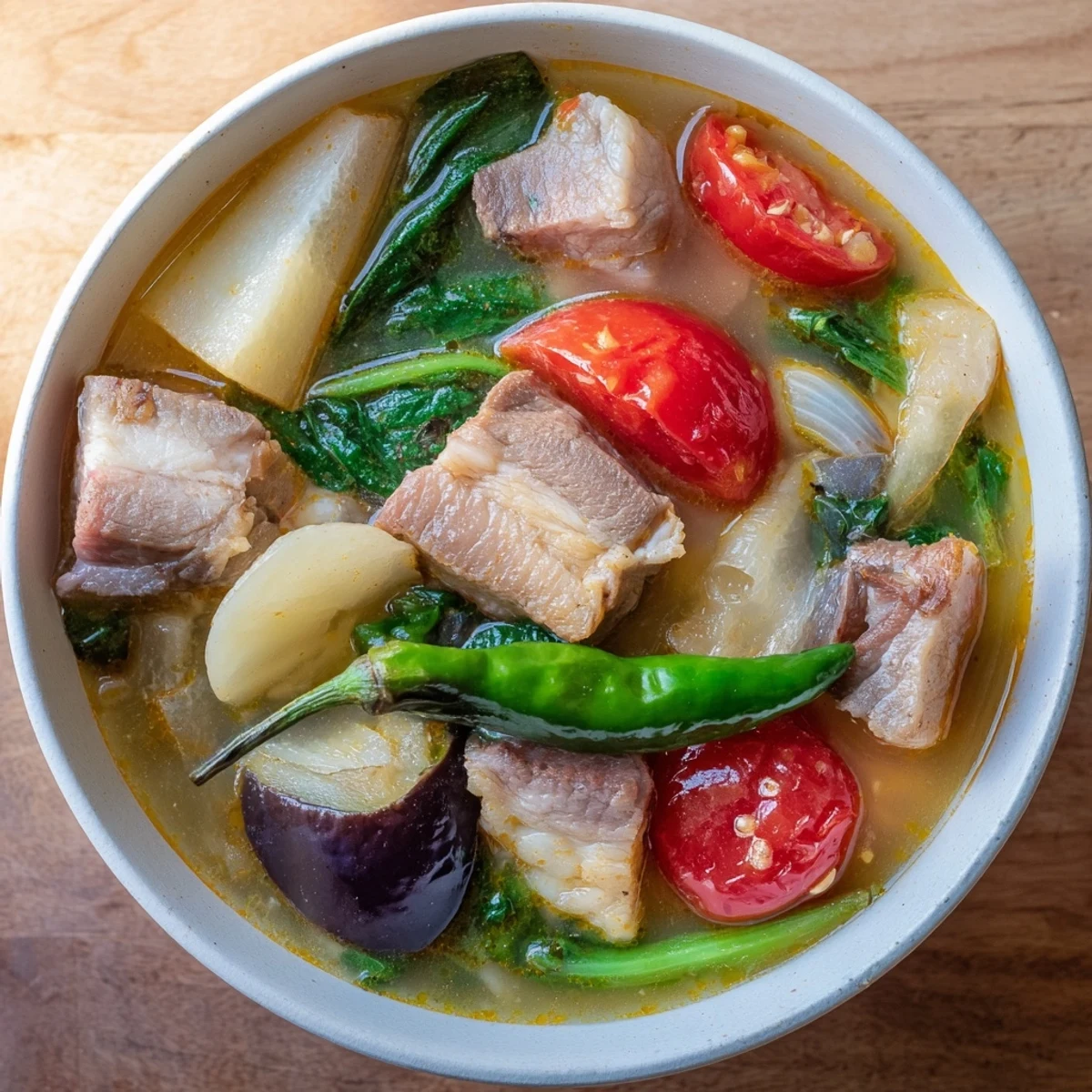
Save My cousin once admitted she puts extra eggplant in hers because it's her favorite part, soaking up all that broth until it's literally melting in the spoon. That's the beauty of Sinigang—make it yours.
The Tamarind Situation
Fresh tamarind pods require boiling, mashing, and straining, which takes about 20 extra minutes but rewards you with a nuanced sourness. The packet mix works beautifully, though, so don't stress about finding fresh ones unless you're feeling ambitious.
Protein Swaps
Shrimp turns this into a quick 30-minute meal—just add them during the last 5 minutes so they stay plump. Fish fillets are equally lovely and flake apart gently in that tangy broth.
Rice Is Non-Negotiable
Sinigang without rice feels incomplete somehow—the starch soaks up that incredible broth and balances the acidity perfectly. I always make extra rice because people inevitably ask for seconds.
- Use a day-old rice for the best texture if you're meal prepping
- Try jasmine rice for a fragrant pairing
- Leftover Sinigang freezes well for up to 3 months
 Save
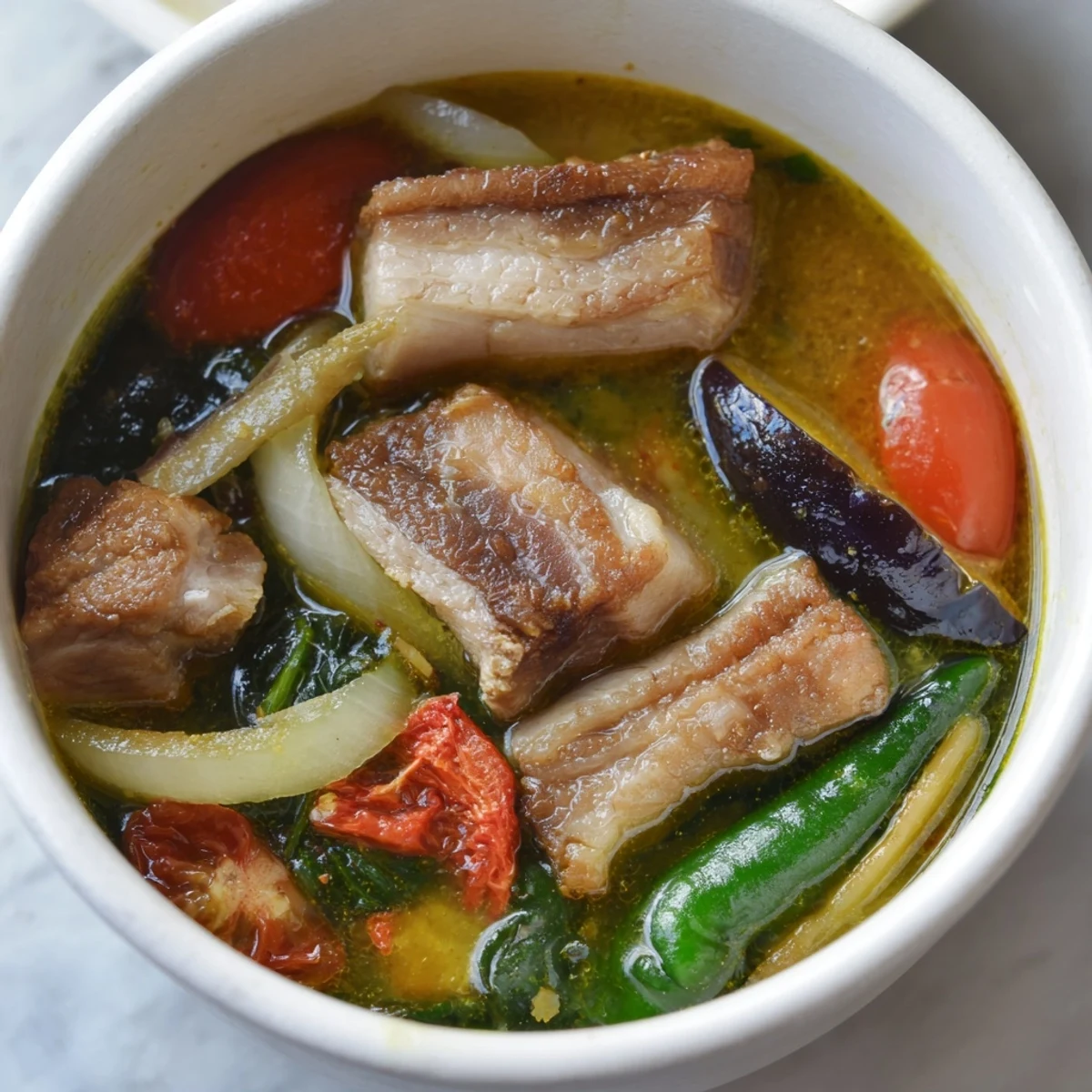
Save There's something deeply healing about a bowl of Sinigang, sour enough to make you pucker but warming enough to make you stay at the table long after you're full.
Recipe FAQs
- → What makes Sinigang sour?
-
The signature sourness comes from tamarind, either fresh pulp prepared by boiling and straining pods or convenient soup base mix. You can also substitute with calamansi, guava, or unripe mango for different sour profiles.
- → Can I make Sinigang with other proteins?
-
Absolutely. While pork belly or ribs are traditional, you can use beef shank, shrimp, or fish. Seafood versions cook faster—add shrimp or fish during the last 10 minutes to prevent overcooking and maintain texture.
- → What vegetables go in Sinigang?
-
Classic additions include daikon radish, eggplant, string beans, tomatoes, onions, and leafy greens like spinach or kangkong. You can also add okra, taro, or bok choy based on preference and availability.
- → How do I adjust the sourness?
-
Start with less tamarind base than the package recommends, then taste and gradually add more until you reach your preferred level. The broth should be prominently sour but still enjoyable and balanced with savory notes.
- → Is Sinigang spicy?
-
Traditionally mild with just background heat from long green chili peppers. Add more chilies if you prefer heat, or omit entirely for a family-friendly version. The peppers add subtle complexity without overwhelming the sour profile.
- → How long does Sinigang keep?
-
Stored in an airtight container in the refrigerator, Sinigang keeps well for 3-4 days. The flavors often deepen and improve overnight. Reheat gently on the stove, adding water if the broth has reduced too much.