
 Save
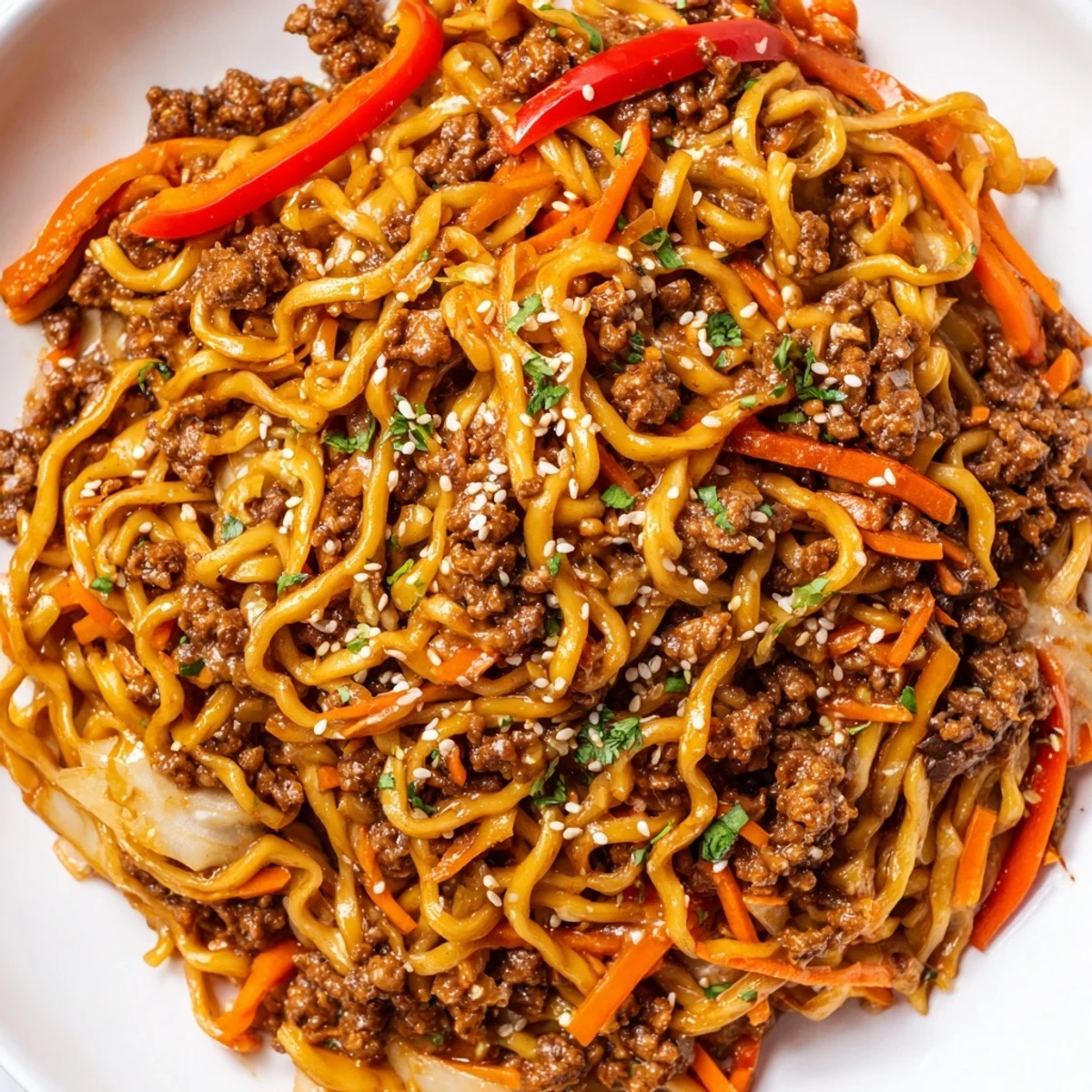
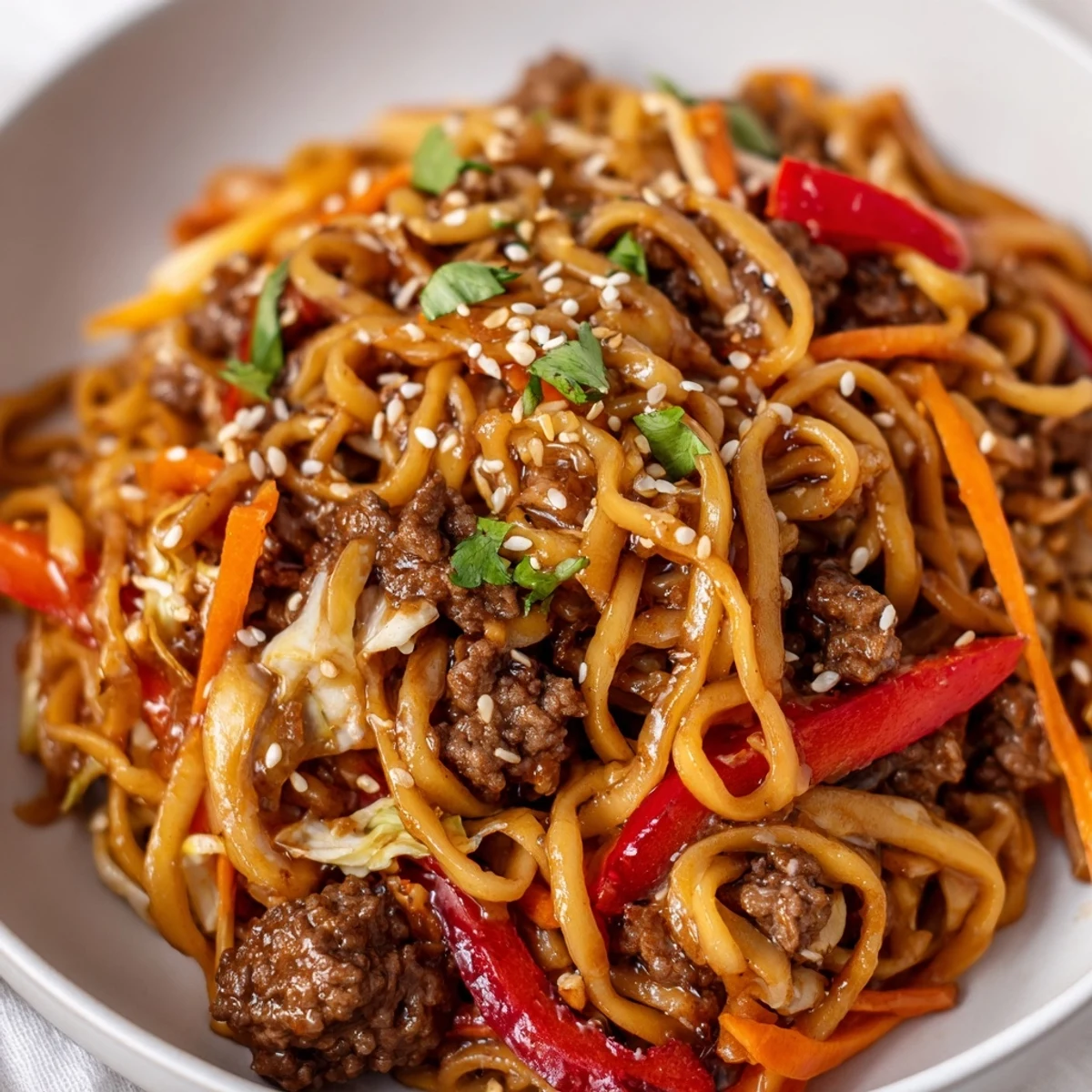
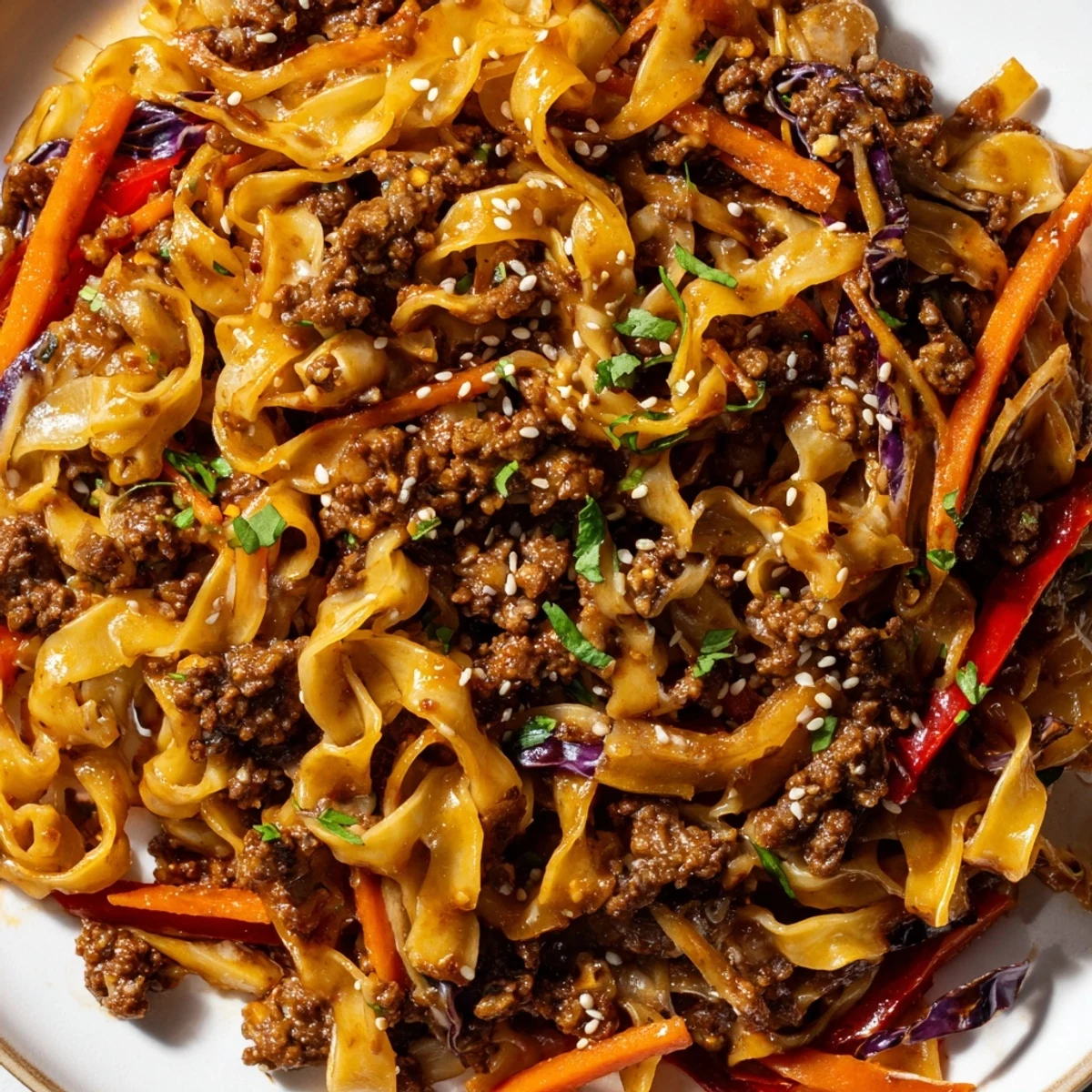
Save Transform weeknight dinners with these savory Asian noodles featuring seasoned ground beef, crisp vegetables, and a rich umami sauce. Ready in 35 minutes from start to finish, this dish balances tender egg noodles with julienned carrots, bell peppers, and cabbage in a perfectly balanced blend of soy, hoisin, and oyster sauces. The ground beef provides hearty protein while fresh ginger and garlic add aromatic depth. Quick stir-frying keeps vegetables tender-crisp, and sesame oil brings a nutty finish. Garnish with sesame seeds and cilantro for restaurant-quality presentation.
The rain was coming down hard that Tuesday when my cousin burst through the door with takeout containers, apologizing profusely for being late. We ended up eating cold noodles on the couch while watching bad movies, and something about that salty-sweet combination stuck with me. I spent the next three weeks trying to recreate that sauce in my tiny kitchen, much to the delight of my roommates who volunteered as taste testers. Now it's the first thing I make when someone says they're stressed and hungry.
Last winter my neighbor came over during a particularly awful week of work deadlines. I threw this together while she complained about her boss, and by the time we sat down to eat, the kitchen smelled like garlic and caramelized beef. She texted me the next morning asking for the recipe, saying it was the first time she'd actually relaxed in days.
Ingredients
- Ground beef: The fatty richness here balances the sharp sauces so lean beef might need an extra splash of oil
- Egg noodles or ramen: These grab onto the sauce better than rice noodles but anything with some texture will work beautifully
- Carrot, bell pepper, and cabbage: They stay slightly crisp which keeps things interesting and adds sweetness to balance the salt
- Garlic and ginger: Fresh is nonnegotiable here, the jarred stuff disappears into the sauce without leaving that bright kick
- Soy sauce, oyster sauce, and hoisin: This trifecta creates depth, sweetness, and that restaurant-quality umami you cant fake
- Brown sugar: Helps everything caramelize and takes the edge off the saltiness
- Sesame oil: Just a small amount adds that nutty finish that makes it taste professionally made
Instructions
- Get your noodles ready first:
- Cook them according to the package, then rinse with cold water so they stop cooking and dont turn into a gummy mess
- Mix your sauce while waiting:
- Whisk everything together in a small bowl until the sugar dissolves completely
- Crank up the heat:
- Get your wok or skillet seriously hot over medium-high, then add the ground beef and break it apart as it browns
- Build the flavor base:
- Toss in the garlic and ginger once the beef is cooked, stirring constantly for about a minute until the scent fills the kitchen
- Add the crunch:
- Throw in your vegetables and stir-fry until they start softening but still have some bite to them
- Bring it all together:
- Pour in that sauce you made, let it bubble for a couple of minutes, then add the noodles and toss until everything is coated and glistening
- Finish with flair:
- Sprinkle with sesame seeds and whatever fresh herbs you have on hand
 Save
Save My sister-in-law accidentally used double the ginger the first time she made this, and it ended up being the version her kids now demand every single time they visit. Sometimes the happy mistakes are the ones that become family traditions.
Make It Yours
This recipe is incredibly forgiving. I've made it with ground pork, chicken, and even crumbled tofu when I had a vegetarian friend over. The sauce is flexible enough to work with whatever protein you have, though I'd avoid fish since the texture would disappear into the noodles.
The Vegetable Swap
Snap peas add this incredible crunch that people always ask about. Mushrooms soak up the sauce and become these little flavor bombs. Baby corn might sound cliché but it actually works because it stays sweet and crisp while everything else softens.
Leftovers Actually Work
This reheats surprisingly well for a noodle dish. The flavors get even better after a night in the fridge, though I recommend adding a splash of water when reheating to loosen everything back up.
- Store in an airtight container for up to three days
- Add a drizzle of sesame oil before reheating to refresh the flavors
- The noodles will absorb more sauce overnight, so keep a little extra soy sauce on hand
 Save
Save There's something deeply satisfying about a recipe that comes together this quickly but tastes like it simmered all day. Now go make someone's night better with noodles.
Recipe FAQs
- → Can I make this dish gluten-free?
-
Yes, substitute regular soy sauce with tamari and choose gluten-free rice noodles or ramen alternatives. Check all sauce labels to ensure they're certified gluten-free, as some oyster and hoisin sauces contain wheat-based thickeners.
- → What other proteins work well in this noodle dish?
-
Ground turkey, chicken, or pork make excellent substitutes for beef. For a seafood version, try shrimp or thinly sliced firm tofu. Adjust cooking times accordingly—shrimp cooks in just 2-3 minutes while tofu needs only 1-2 minutes to brown.
- → How can I adjust the spice level?
-
Control heat by varying the crushed red pepper flakes from none to 1 teaspoon. For more complexity, add sriracha, chili garlic sauce, or fresh sliced Thai chilies. Serving with chili oil on the table lets everyone customize their own portion.
- → Can I prepare the sauce in advance?
-
Absolutely—mix the sauce ingredients up to 3 days ahead and store refrigerated in an airtight container. This actually helps flavors meld together. Bring to room temperature before cooking, as cold sauce can lower pan temperature and affect stir-fry results.
- → What vegetables can I add or substitute?
-
Baby corn, snap peas, mushrooms, bok choy, or zucchini work beautifully. For crunchier texture, add water chestnuts or bean sprouts during the last minute of cooking. If adding dense vegetables like broccoli, blanch them briefly before stir-frying.
- → How do I store and reheat leftovers?
-
Keep refrigerated in an airtight container for up to 4 days. Reheat gently in a skillet with a splash of water, or microwave covered at 50% power. The noodles absorb sauce overnight, so you may want to add extra soy sauce or sesame oil when reheating.